What is Search Engine Marketing (SEM) & How it Works?
What is Search Engine Marketing (SEM) & How it Works?
Search Engine Marketing
Search Engine Marketing
Search Engine Marketing
Search Engine Marketing (SEM) is a digital strategy that boosts a website’s visibility on search results through paid ads, unlike SEO, which focuses on organic (unpaid) traffic.
Search Engine Marketing (SEM) is a digital strategy that boosts a website’s visibility on search results through paid ads, unlike SEO, which focuses on organic (unpaid) traffic.

Table of Content

Drive More Revenue with Targeted Search Engine Marketing






4.9/5 Ratings!

Trilok Singh
Trilok Singh
6 Min Read
6 Min Read
Oct 29, 2025
Oct 29, 2025
What is Search Engine Marketing (SEM)?
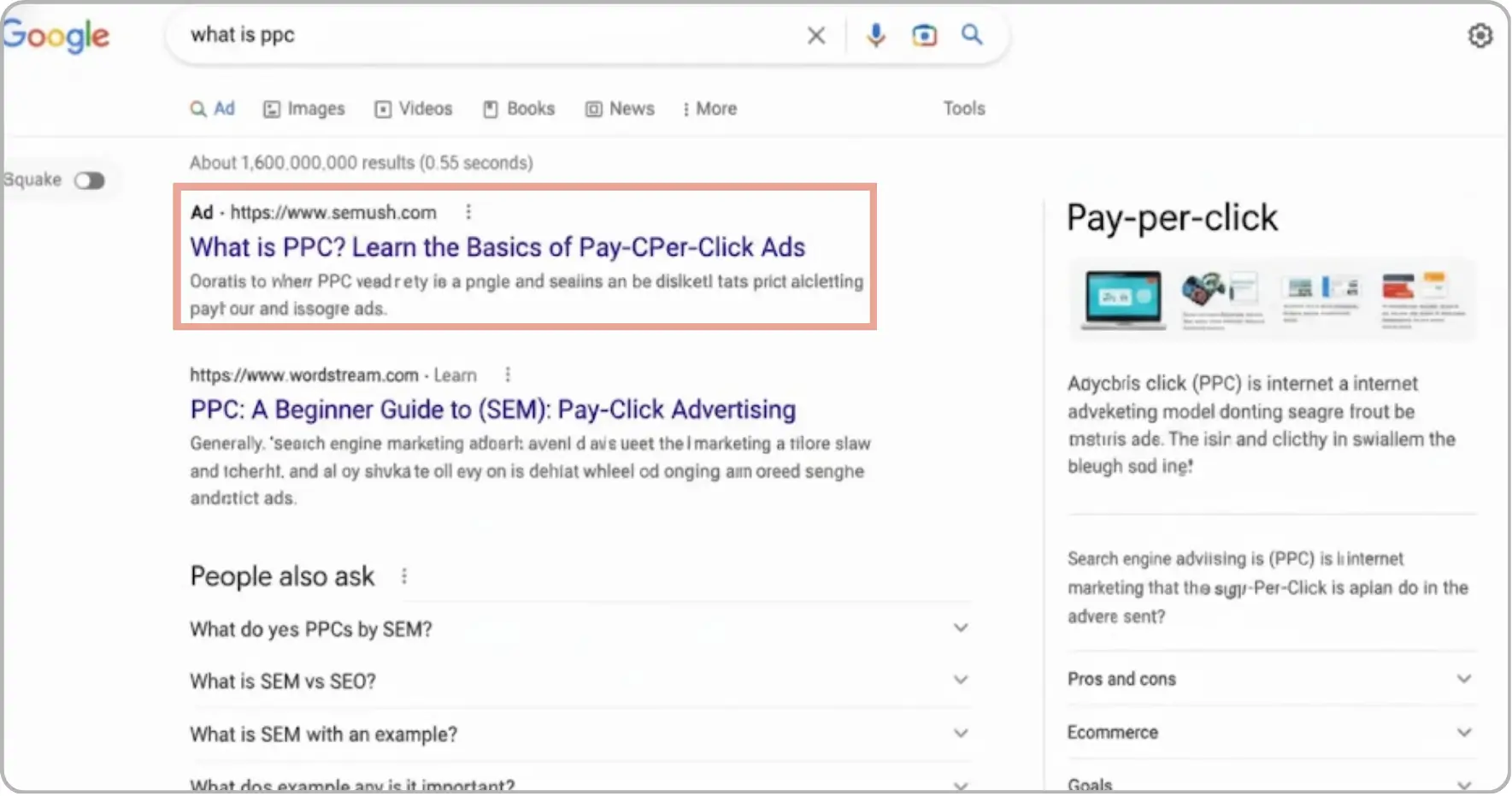
Search Engine Marketing (SEM) is a digital marketing strategy focused on increasing a website’s visibility in search engine results pages (SERPs) through paid advertising. It targets users who are actively looking for certain goods, services, or information.
When you type in "best CRM for small businesses" into Google or Bing, the first results are usually ads. Businesses put those there by using SEM to bid on keywords that match what you are looking for.
This makes SEM one of the best ways to get people who are really interested in your website to visit it. It works faster than SEO and lets you target your audience better and see results right away.
Search Engine Marketing (SEM) is a digital marketing strategy focused on increasing a website’s visibility in search engine results pages (SERPs) through paid advertising. It targets users who are actively looking for certain goods, services, or information.
When you type in "best CRM for small businesses" into Google or Bing, the first results are usually ads. Businesses put those there by using SEM to bid on keywords that match what you are looking for.
This makes SEM one of the best ways to get people who are really interested in your website to visit it. It works faster than SEO and lets you target your audience better and see results right away.
How Does Search Engine Marketing (SEM) Work?
•
•
Keyword Research: Use tools like Google Keyword Planner or SEMrush to find out what your target audience is looking for.
Keyword Research: Use tools like Google Keyword Planner or SEMrush to find out what your target audience is looking for.
•
•
Setting up the campaign: Make ad groups and campaigns with keywords that fit, ad copy that grabs attention, and strong calls to action (CTA).
Setting up the campaign: Make ad groups and campaigns with keywords that fit, ad copy that grabs attention, and strong calls to action (CTA).
•
•
Bid Strategy: You bid on how much you want to pay for each click. Ads with higher bids and better quality usually get better placement.
Bid Strategy: You bid on how much you want to pay for each click. Ads with higher bids and better quality usually get better placement.
•
•
Ad Auction: Search engines like Google and Bing decide which ads show up and in what order based on the bid amount, the quality of the ad, and how relevant it is.
Ad Auction: Search engines like Google and Bing decide which ads show up and in what order based on the bid amount, the quality of the ad, and how relevant it is.
•
•
Clicks and Conversions: When people click on your ad, they go to a specific page. You only pay when someone clicks.
Clicks and Conversions: When people click on your ad, they go to a specific page. You only pay when someone clicks.
•
•
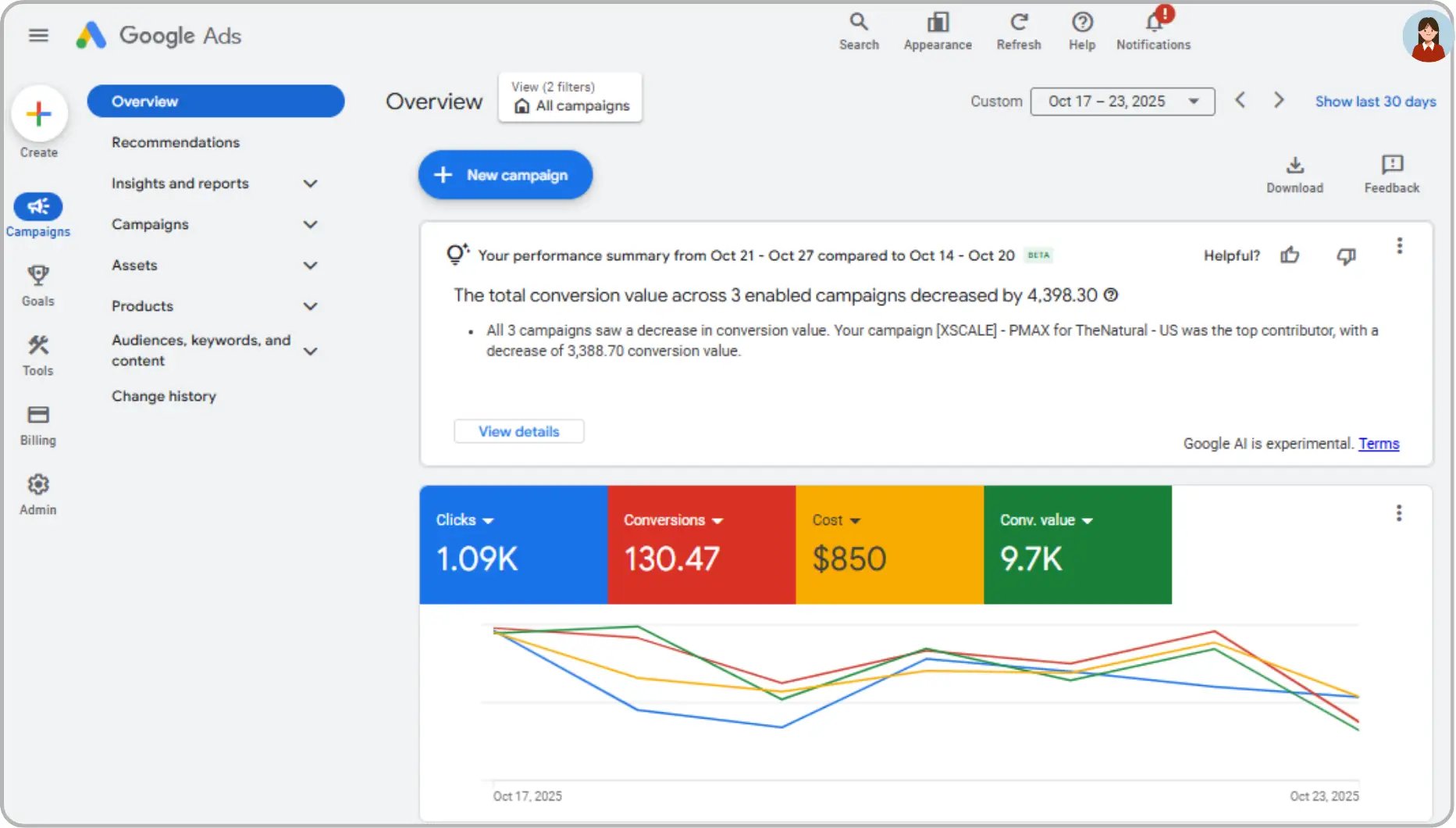
Performance Monitoring: Tools like Google Ads and Microsoft Ads give you detailed analytics that can help you keep an eye on return on investment (ROI), improve performance, and get better results.
Performance Monitoring: Tools like Google Ads and Microsoft Ads give you detailed analytics that can help you keep an eye on return on investment (ROI), improve performance, and get better results.
SEM Platforms You Should Know
SEM Platforms You Should Know
•
•
Google Ads: The most popular SEM platform, it lets you run search, display, video, and shopping ads on Google Search and its partner networks.
Google Ads: The most popular SEM platform, it lets you run search, display, video, and shopping ads on Google Search and its partner networks.
•
•
Microsoft Advertising (Bing Ads): A good choice instead of Google, with less competition and a lower cost per click (CPC). Your ads show up on Bing, Yahoo, and AOL, which reach a different group of people.
Microsoft Advertising (Bing Ads): A good choice instead of Google, with less competition and a lower cost per click (CPC). Your ads show up on Bing, Yahoo, and AOL, which reach a different group of people.
•
•
Other Places: Amazon Ads, YouTube Ads, and niche ad networks can also be part of your SEM strategy, depending on who you want to reach.
Other Places: Amazon Ads, YouTube Ads, and niche ad networks can also be part of your SEM strategy, depending on who you want to reach.
Advantages of SEM
Advantages of SEM
•
•
Instant Visibility: Your ads can appear at the top of search results immediately after launch — no waiting months like SEO.
Instant Visibility: Your ads can appear at the top of search results immediately after launch — no waiting months like SEO.
•
•
Highly Targeted: You can target by location, language, device, time of day, or even past user behavior.
Highly Targeted: You can target by location, language, device, time of day, or even past user behavior.
•
•
Measurable ROI (Return on investment): Every click and conversion can be tracked, helping you understand exactly how your ad spend translates to revenue.
Measurable ROI (Return on investment): Every click and conversion can be tracked, helping you understand exactly how your ad spend translates to revenue.
•
•
Smarter Campaign Testing: A/B testing different ads, keywords, and landing pages is a good way to keep getting better.
Smarter Campaign Testing: A/B testing different ads, keywords, and landing pages is a good way to keep getting better.
•
•
High Intent Users: People who click on search ads are more likely to buy something, which means that the ads are more likely to convert.
High Intent Users: People who click on search ads are more likely to buy something, which means that the ads are more likely to convert.
What's The Difference Between SEM & SEO?
Aspect
SEO (Search Engine Optimization)
SEM (Search Engine Marketing)
Focus
Improves organic (unpaid) visibility in search results.
Increases visibility using paid ads on search engines.
Cost
Free clicks; requires time and effort for optimization.
Paid clicks; costs depend on bidding and competition.
Speed of Results
Takes time to build rankings and traffic.
Delivers instant visibility and faster results.
Sustainability
Long-term impact with consistent effort.
Short-term results that stop when ads are paused.
Techniques Used
Keyword optimization, content creation, backlinks, and technical SEO.
Pay-per-click (PPC) campaigns, ad copy, and targeting.
Placement
Appears in organic search results.
Appears in paid (sponsored) sections of search results.
Goal
Build authority and long-term traffic growth.
Drive quick traffic, leads, and conversions.
Smart marketers don't pick one over the other; they use both strategically. SEO gives you long-term power. SEM gets you quick wins. They cover everything you need to be seen in search results.
Smart marketers don't pick one over the other; they use both strategically. SEO gives you long-term power. SEM gets you quick wins. They cover everything you need to be seen in search results.
How to Do SEM Right?
How to Do SEM Right?
•
•
Pick the Right Keywords: Concentrate on long-tail keywords with high intent that show the user is interested in buying.
Pick the Right Keywords: Concentrate on long-tail keywords with high intent that show the user is interested in buying.
•
•
Write Effective Ad Copy: To get more people to click on your links, use strong headlines, emotional triggers, and clear calls to action.
Write Effective Ad Copy: To get more people to click on your links, use strong headlines, emotional triggers, and clear calls to action.
•
•
Optimize Landing Pages: Make sure the page that users land on matches the ad's message and is set up to get people to convert (with forms, contact buttons, etc.).
Optimize Landing Pages: Make sure the page that users land on matches the ad's message and is set up to get people to convert (with forms, contact buttons, etc.).
•
•
Leverage Ad Extensions: To make your site more visible and trustworthy, add phone numbers, sitelinks, or locations.
Leverage Ad Extensions: To make your site more visible and trustworthy, add phone numbers, sitelinks, or locations.
•
•
Test and Refine: Use A/B testing to improve your writing, test your offers, and find the best combinations that work.
Test and Refine: Use A/B testing to improve your writing, test your offers, and find the best combinations that work.
•
•
Track Everything: Set up conversion tracking so you can see which ads and keywords are making money.
Track Everything: Set up conversion tracking so you can see which ads and keywords are making money.
Final Thoughts
Search Engine Marketing is one of the fastest and easiest ways to get your brand to show up at the top of search results. It takes time to build authority with SEO, but SEM gives you an edge right away.
You can use SEM to get more traffic, leads, and sales right away by knowing your audience, choosing the right keywords, and constantly optimizing.
SEM can help you get noticed when it matters most, whether you're a new business trying to get off the ground or an established brand trying to take over the search results.
Search Engine Marketing is one of the fastest and easiest ways to get your brand to show up at the top of search results. It takes time to build authority with SEO, but SEM gives you an edge right away.
You can use SEM to get more traffic, leads, and sales right away by knowing your audience, choosing the right keywords, and constantly optimizing.
SEM can help you get noticed when it matters most, whether you're a new business trying to get off the ground or an established brand trying to take over the search results.
Frequently Asked Questions (FAQs)
Frequently Asked Questions
How can I reduce my cost per click (CPC) in SEM?

Improve ad relevance, use targeted keywords, leverage negative keywords, refine schedules/devices, and optimize landing pages to lower CPC without affecting performance.
What is the difference between SEM and PPC?
You should expect a structured process that includes onboarding, goal setting, strategy development, regular communication, execution of campaigns, and performance reporting. A good agency will act as a partner collaborating with you to understand your business, crafting a custom plan, and keeping you informed about progress and results.
How quickly will my SEM campaigns show results?
Vanity metrics are data points that look impressive but don’t directly impact your bottom line, such as social media likes, page views, or email open rates. While they can indicate visibility, they’re not strong indicators of business success. What’s more important are actionable metrics like lead quality, conversion rate, and return on investment (ROI). Looking for more details? Contact us today before your competitors do.
Which keywords should I target in SEM campaigns?
High traffic without conversions often points to deeper issues such as: Poor targeting (the wrong audience is visiting), weak calls-to-action or unclear messaging, website usability issues or slow load times, lack of trust signals (like reviews or security).
Your marketing should not just drive visits; it should drive the right visitors and guide them to act.
What are negative keywords and why are they important?
You’ll know it’s working when you see measurable progress toward your business goals, more qualified leads, better engagement, increased sales, or stronger ROI. Regular reports, clear KPIs, and consistent communication from your agency are key to evaluating success.
How do I track conversions in SEM?
Organic marketing (like SEO, blogging, and social media engagement) often takes 3 to 6 months to start showing results and may take 6–12 months for significant impact. It builds trust and authority over time, and while slower than paid marketing, it often yields more sustainable growth.
What is ad quality score and why does it matter?
A good marketing report should cover: Key performance indicators (KPIs) tied to your goals, traffic and conversion data, campaign performance summaries, ROI or cost-per-lead/acquisition, insights and recommendations for improvement, clear next steps or action items.
It should be easy to understand, jargon-free, and focus on outcomes. Learn more—how we drive revenue?
How can I reduce my cost per click (CPC) in SEM?
Improve ad relevance, use targeted keywords, leverage negative keywords, refine schedules/devices, and optimize landing pages to lower CPC without affecting performance.
What is the difference between SEM and PPC?
You should expect a structured process that includes onboarding, goal setting, strategy development, regular communication, execution of campaigns, and performance reporting. A good agency will act as a partner collaborating with you to understand your business, crafting a custom plan, and keeping you informed about progress and results.
How quickly will my SEM campaigns show results?
Vanity metrics are data points that look impressive but don’t directly impact your bottom line, such as social media likes, page views, or email open rates. While they can indicate visibility, they’re not strong indicators of business success. What’s more important are actionable metrics like lead quality, conversion rate, and return on investment (ROI). Looking for more details? Contact us today before your competitors do.
Which keywords should I target in SEM campaigns?
High traffic without conversions often points to deeper issues such as: Poor targeting (the wrong audience is visiting), weak calls-to-action or unclear messaging, website usability issues or slow load times, lack of trust signals (like reviews or security).
Your marketing should not just drive visits; it should drive the right visitors and guide them to act.
What are negative keywords and why are they important?
You’ll know it’s working when you see measurable progress toward your business goals, more qualified leads, better engagement, increased sales, or stronger ROI. Regular reports, clear KPIs, and consistent communication from your agency are key to evaluating success.
How do I track conversions in SEM?
Organic marketing (like SEO, blogging, and social media engagement) often takes 3 to 6 months to start showing results and may take 6–12 months for significant impact. It builds trust and authority over time, and while slower than paid marketing, it often yields more sustainable growth.
What is ad quality score and why does it matter?
A good marketing report should cover: Key performance indicators (KPIs) tied to your goals, traffic and conversion data, campaign performance summaries, ROI or cost-per-lead/acquisition, insights and recommendations for improvement, clear next steps or action items.
It should be easy to understand, jargon-free, and focus on outcomes. Learn more—how we drive revenue?
Drive More Revenue with Targeted Search Engine Marketing
Drive More Revenue with Targeted Search Engine Marketing
Use targeted ads & competitive bidding to reach active searchers & drive high-quality traffic to your site.
Use targeted ads & competitive bidding to reach active searchers & drive high-quality traffic to your site.
4.9/5 Ratings!
4.9/5 Ratings!
Share this article
Share this article

Related Resources
Latest Blogs



Don’t miss our revenue growth tips!
Don’t miss our revenue growth tips!
Get expert marketing tips—straight to your inbox, like thousands of happy clients.
Get expert marketing tips—straight to your inbox, like thousands of happy clients.
Latest Blogs








Ready to speak with an expert?
Data-Driven Marketing Agency That Elevates ROI
1100+
Websites Designed & Optimized to Convert
$280M+
Client Revenue Driven & Growing Strong
Discover how to skyrocket
your revenue today!


Trusted by 1000+ Owners!
Ready to speak with an expert?
Data-Driven Marketing Agency That Elevates ROI
1100+
Websites Designed & Optimized to Convert
$280M+
Client Revenue Driven & Growing Strong
Discover how to skyrocket
your revenue today!
Trusted by 1000+ Owners!
Want to skyrocket revenue?
4.9/5 Ratings!
Ready to speak with an expert?
Data-Driven Marketing Agency That Elevates ROI
1100+
Websites Designed & Optimized to Convert
$280M+
Client Revenue Driven & Growing Strong
Want to skyrocket
revenue?
Trusted by 1000+ Owners!
Call
Meet