Search Intent in SEO: Types, Benefits, and Keys to Success
Search Intent in SEO: Types, Benefits, and Keys to Success
Search Intent
Search Intent
Search Intent
Search intent refers to the purpose behind a user’s search query. Understanding search intent helps you create content that meets users’ needs, improves engagement, and boosts your SEO performance.
Search intent refers to the purpose behind a user’s search query. Understanding search intent helps you create content that meets users’ needs, improves engagement, and boosts your SEO performance.

Table of Content

Create Content That Matches What Your Audience is Searching For



Trusted by 1k+ Owners!





Trusted by 1K+ Owners!

Tanya Singh
Tanya Singh
6 Min Read
6 Min Read
Sep 25, 2025
Sep 25, 2025
What is Search Intent and Why it’s Important?
Search intent, also called user intent or keyword intent, refers to the underlying purpose or goal a person has when entering a query into a search engine. In other words: why someone types certain words into Google or Bing, or another search engine. Are they trying to learn something? Find a specific site? Compare products? Or make a purchase right away? Understanding this helps content creators, marketers, and SEO specialists align their content with what users are really seeking.
Search intent, also called user intent or keyword intent, refers to the underlying purpose or goal a person has when entering a query into a search engine. In other words: why someone types certain words into Google or Bing, or another search engine. Are they trying to learn something? Find a specific site? Compare products? Or make a purchase right away? Understanding this helps content creators, marketers, and SEO specialists align their content with what users are really seeking.
Google favors relevance when ranking search results. To rank on Google, your content needs to be the most relevant answer to a user’s query. This starts with crafting content that closely matches the search intent of your target audience.
For example, if you search for “best iPhone Model”, you will find all the results that for iPhone.
Google favors relevance when ranking search results. To rank on Google, your content needs to be the most relevant answer to a user’s query. This starts with crafting content that closely matches the search intent of your target audience.
For example, if you search for “best iPhone Model”, you will find all the results that for iPhone.
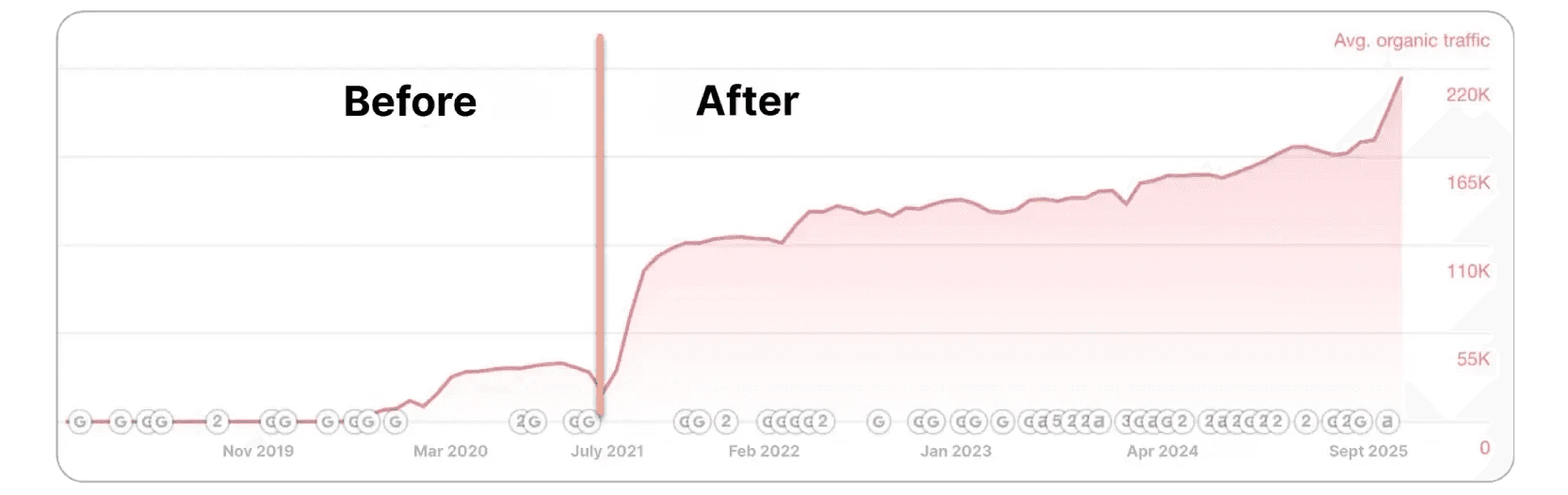
This is because Google knows the user intent is - to learn first, and than to buy.
This is because Google knows the user intent is - to learn first, and than to buy.
The importance of search intent:
The importance of search intent:
•
•
Relevance & Improved Rankings: Search engines strive to serve pages that intentionally produce results that meet what users expected. When your content matches the search intent you are more likely to rank better. Your content may not rank as well, or have a higher bounce rate, if it is misaligned with intent - even if it has keywords.
Relevance & Improved Rankings: Search engines strive to serve pages that intentionally produce results that meet what users expected. When your content matches the search intent you are more likely to rank better. Your content may not rank as well, or have a higher bounce rate, if it is misaligned with intent - even if it has keywords.
•
•
Improved User Experience: When users get what they want (information, product details, purchase options etc.), they are more satisfied. That reduces bounce rates, increases time on page, and may lead to more engagement (comments, shares, conversions).
Improved User Experience: When users get what they want (information, product details, purchase options etc.), they are more satisfied. That reduces bounce rates, increases time on page, and may lead to more engagement (comments, shares, conversions).
•
•
Higher Conversion & ROI: Matching intent, especially for queries with commercial or transactional intent, means you can guide users more smoothly toward decisions: product pages, reviews, comparisons etc. That can improve conversion rates and make advertising or content investments more effective.
Higher Conversion & ROI: Matching intent, especially for queries with commercial or transactional intent, means you can guide users more smoothly toward decisions: product pages, reviews, comparisons etc. That can improve conversion rates and make advertising or content investments more effective.
•
•
Optimized Content Strategy & Keyword Planning: By knowing what kind of content is needed (informational articles vs transaction-oriented pages, etc.), you can plan your site architecture, blog posts, and landing pages in a way that covers all stages of the user journey.
Optimized Content Strategy & Keyword Planning: By knowing what kind of content is needed (informational articles vs transaction-oriented pages, etc.), you can plan your site architecture, blog posts, and landing pages in a way that covers all stages of the user journey.
Search Intent vs Traffic
While search intent is about the why behind a query, traffic refers to how many people visit a site (or page), often after ranking in search results. Here’s how they compare:
While search intent is about the why behind a query, traffic refers to how many people visit a site (or page), often after ranking in search results. Here’s how they compare:
Aspect
Search Intent
Search Traffic
What it measures
User’s motivation or goal when they search
Number of visitors arriving (often via search engines)
Influence on content
Guides what kind of content to create (informational, commercial, transactional etc.)
Reflects outcome of content + ranking + intent + many other factors
Dependency
Determined by query phrasing, what people expect from SERP
Depends on ranking, competitiveness, SERP features, click-through rate etc.
Alignment required
Must match user’s intent to satisfy and retain them
Even if you have high traffic, if intent is not met, engagement and conversions suffer
A keyword might bring a lot of traffic, but if the content does not align with what the user intended, visitors may bounce quickly or not convert. Conversely, well-aligned content (right intent) might get less traffic but more valuable engagement and conversions.
A keyword might bring a lot of traffic, but if the content does not align with what the user intended, visitors may bounce quickly or not convert. Conversely, well-aligned content (right intent) might get less traffic but more valuable engagement and conversions.
Types of Search Intent
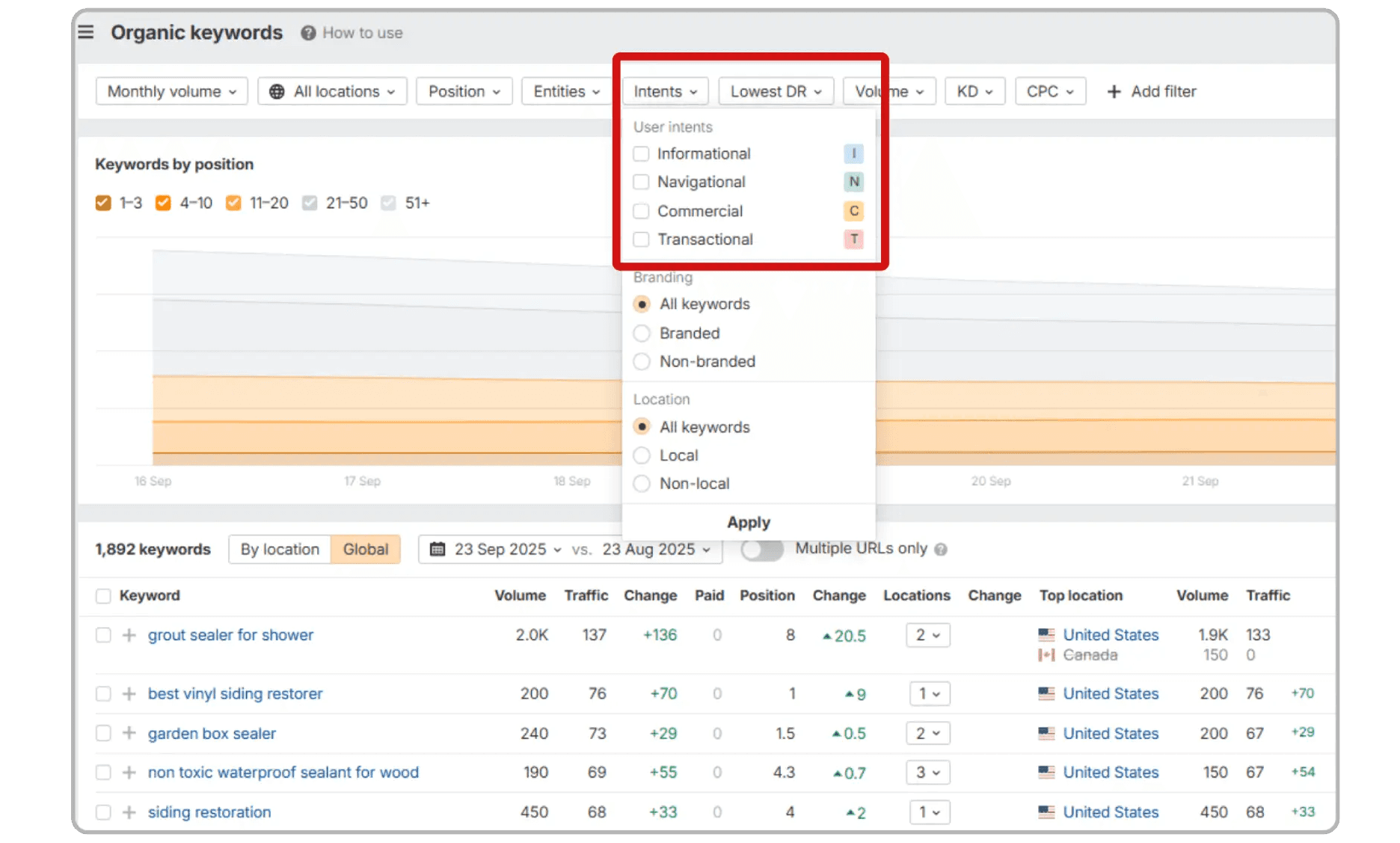
Most SEO experts classify search intent into four main types:
Most SEO experts classify search intent into four main types:
•
•
Informational Intent: Users want information, knowledge, how-to’s, or answers to questions. They aren’t looking to buy immediately. Keywords often begin with “how”, “what”, “why”, “where”, etc.
Informational Intent: Users want information, knowledge, how-to’s, or answers to questions. They aren’t looking to buy immediately. Keywords often begin with “how”, “what”, “why”, “where”, etc.
•
•
Navigational Intent: Users want to reach a particular site or page. For example, searching for a brand name or “YouTube login”. They know the destination.
Navigational Intent: Users want to reach a particular site or page. For example, searching for a brand name or “YouTube login”. They know the destination.
•
•
Commercial Investigation (or Commercial Intent): Users are considering a purchase—they’re researching, comparing options, reading reviews, checking features/price etc. They are not yet ready to buy but are closer to a decision.
Commercial Investigation (or Commercial Intent): Users are considering a purchase—they’re researching, comparing options, reading reviews, checking features/price etc. They are not yet ready to buy but are closer to a decision.
•
•
Transactional Intent: The user is ready to act—often to buy. Possible keywords could include, but not limited to, “buy,” “discount,” “order,” etc. The intent behind the content is references to product(s). Content matches for intent can include product pages, deals, or strong call to action (CTA).
Transactional Intent: The user is ready to act—often to buy. Possible keywords could include, but not limited to, “buy,” “discount,” “order,” etc. The intent behind the content is references to product(s). Content matches for intent can include product pages, deals, or strong call to action (CTA).
Additional / Mixed Intent
•
•
Mixed or blended intent: A query can sometimes have more than one intent. (e.g. someone might want comparison and price).
Mixed or blended intent: A query can sometimes have more than one intent. (e.g. someone might want comparison and price).
•
•
Local intent: “restaurants near me”, “coffee shop Houston” where location matters.
Local intent: “restaurants near me”, “coffee shop Houston” where location matters.
•
•
Other lenses: educational, entertainment, visual, news or trending intent etc.
Other lenses: educational, entertainment, visual, news or trending intent etc.
How to Shift Keyword Intent from Informational to Commercial?
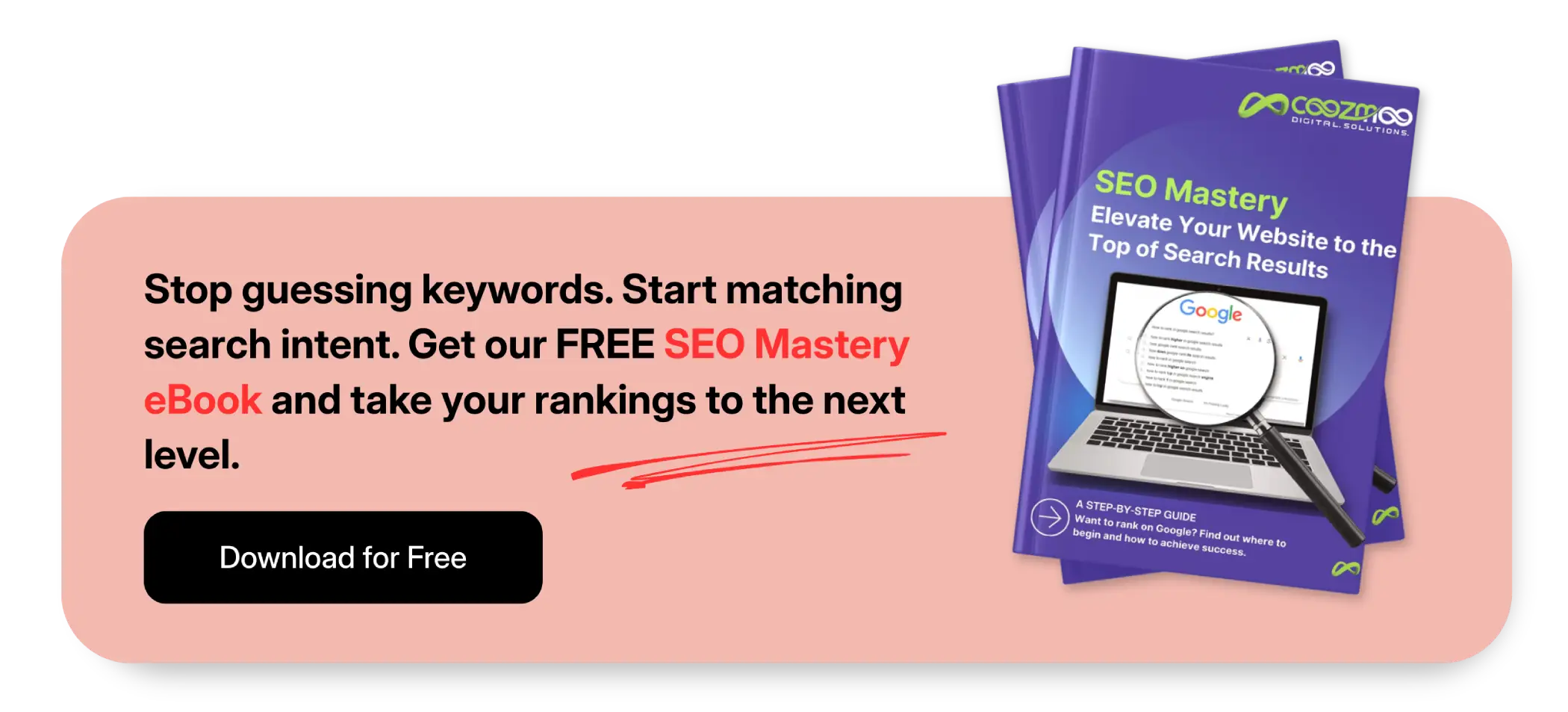
When you want to attract users who are ready to compare, buy, or sign up, instead of just learning — you need to shift your keyword strategy from informational intent to commercial intent.
When you want to attract users who are ready to compare, buy, or sign up, instead of just learning — you need to shift your keyword strategy from informational intent to commercial intent.
•
•
Spot informational keywords (e.g., “what is…,” “how to…,” “benefits of…”).
Spot informational keywords (e.g., “what is…,” “how to…,” “benefits of…”).
•
•
Replace with commercial-intent terms (e.g., “best…,” “top…,” “compare…,” “pricing,” “reviews,” “services near me”).
Replace with commercial-intent terms (e.g., “best…,” “top…,” “compare…,” “pricing,” “reviews,” “services near me”).
•
•
Use keyword tools (Google Keyword Planner, SEMrush, Ahrefs) to filter for commercial or transactional intent.
Use keyword tools (Google Keyword Planner, SEMrush, Ahrefs) to filter for commercial or transactional intent.
•
•
Add buyer modifiers (“buy,” “get,” “deal,” “trial,” “quote,” “provider”).
Add buyer modifiers (“buy,” “get,” “deal,” “trial,” “quote,” “provider”).
•
•
Check the SERP — if you see product pages, pricing, or comparisons, that keyword has commercial intent.
Check the SERP — if you see product pages, pricing, or comparisons, that keyword has commercial intent.
This approach ensures your content targets users who are closer to making a decision, increasing the chance of conversions.
This approach ensures your content targets users who are closer to making a decision, increasing the chance of conversions.
Final Thoughts
Search intent is an important concept in SEO and content strategy. Choosing keywords with significant search volume is insufficient; you must also understand the reasons for that search. When content matches the correct intent, you are likely to see better rankings, increased engagement, better conversions, and a stronger relationship with your audience.
When creating content or researching keywords, always:
Search intent is an important concept in SEO and content strategy. Choosing keywords with significant search volume is insufficient; you must also understand the reasons for that search. When content matches the correct intent, you are likely to see better rankings, increased engagement, better conversions, and a stronger relationship with your audience.
When creating content or researching keywords, always:
•
•
Consider what type of result is currently ranking (what intent did they satisfy?)
Consider what type of result is currently ranking (what intent did they satisfy?)
•
•
Select content formats that match the intent (blogs, how-tos, product pages etc.)
Select content formats that match the intent (blogs, how-tos, product pages etc.)
•
•
Monitor user behavior (bounce rate, time on page etc.) to determine whether or not you are satisfying the intent.
Monitor user behavior (bounce rate, time on page etc.) to determine whether or not you are satisfying the intent.
Frequently Asked Questions (FAQs)
Frequently Asked Questions
How do I figure out what intent a keyword has?

You can tell a keyword’s intent by looking at the types of results Google shows for it. If the SERP is mostly guides or definitions, it’s likely informational. If it’s product pages or comparisons, it’s commercial or transactional. Tools like Ahrefs’ AI Content Helper can even show how intent changes over time.
Can ignoring search intent hurt my SEO performance?
You should expect a structured process that includes onboarding, goal setting, strategy development, regular communication, execution of campaigns, and performance reporting. A good agency will act as a partner collaborating with you to understand your business, crafting a custom plan, and keeping you informed about progress and results.
How does search intent affect the type of content I should create?
Vanity metrics are data points that look impressive but don’t directly impact your bottom line, such as social media likes, page views, or email open rates. While they can indicate visibility, they’re not strong indicators of business success. What’s more important are actionable metrics like lead quality, conversion rate, and return on investment (ROI). Looking for more details? Contact us today before your competitors do.
Can a single keyword have more than one search intent?
High traffic without conversions often points to deeper issues such as: Poor targeting (the wrong audience is visiting), weak calls-to-action or unclear messaging, website usability issues or slow load times, lack of trust signals (like reviews or security).
Your marketing should not just drive visits; it should drive the right visitors and guide them to act.
How can I align my website structure with search intent?
You’ll know it’s working when you see measurable progress toward your business goals, more qualified leads, better engagement, increased sales, or stronger ROI. Regular reports, clear KPIs, and consistent communication from your agency are key to evaluating success.
How does search intent impact content strategy?
Organic marketing (like SEO, blogging, and social media engagement) often takes 3 to 6 months to start showing results and may take 6–12 months for significant impact. It builds trust and authority over time, and while slower than paid marketing, it often yields more sustainable growth.
What role does “People Also Ask” play in search intent?
A good marketing report should cover: Key performance indicators (KPIs) tied to your goals, traffic and conversion data, campaign performance summaries, ROI or cost-per-lead/acquisition, insights and recommendations for improvement, clear next steps or action items.
It should be easy to understand, jargon-free, and focus on outcomes. Learn more—how we drive revenue?
How do I figure out what intent a keyword has?
You can tell a keyword’s intent by looking at the types of results Google shows for it. If the SERP is mostly guides or definitions, it’s likely informational. If it’s product pages or comparisons, it’s commercial or transactional. Tools like Ahrefs’ AI Content Helper can even show how intent changes over time.
Can ignoring search intent hurt my SEO performance?
You should expect a structured process that includes onboarding, goal setting, strategy development, regular communication, execution of campaigns, and performance reporting. A good agency will act as a partner collaborating with you to understand your business, crafting a custom plan, and keeping you informed about progress and results.
How does search intent affect the type of content I should create?
Vanity metrics are data points that look impressive but don’t directly impact your bottom line, such as social media likes, page views, or email open rates. While they can indicate visibility, they’re not strong indicators of business success. What’s more important are actionable metrics like lead quality, conversion rate, and return on investment (ROI). Looking for more details? Contact us today before your competitors do.
Can a single keyword have more than one search intent?
High traffic without conversions often points to deeper issues such as: Poor targeting (the wrong audience is visiting), weak calls-to-action or unclear messaging, website usability issues or slow load times, lack of trust signals (like reviews or security).
Your marketing should not just drive visits; it should drive the right visitors and guide them to act.
How can I align my website structure with search intent?
You’ll know it’s working when you see measurable progress toward your business goals, more qualified leads, better engagement, increased sales, or stronger ROI. Regular reports, clear KPIs, and consistent communication from your agency are key to evaluating success.
How does search intent impact content strategy?
Organic marketing (like SEO, blogging, and social media engagement) often takes 3 to 6 months to start showing results and may take 6–12 months for significant impact. It builds trust and authority over time, and while slower than paid marketing, it often yields more sustainable growth.
What role does “People Also Ask” play in search intent?
A good marketing report should cover: Key performance indicators (KPIs) tied to your goals, traffic and conversion data, campaign performance summaries, ROI or cost-per-lead/acquisition, insights and recommendations for improvement, clear next steps or action items.
It should be easy to understand, jargon-free, and focus on outcomes. Learn more—how we drive revenue?



Create Content That Matches What Your Audience is Searching For
Create Content That Matches What Your Audience is Searching For
Match content to user intent to increase engagement, improve rankings, and attract visitors who convert more often.
Match content to user intent to increase engagement, improve rankings, and attract visitors who convert more often.
Trusted by 1000+ Owners!
4.9/5 Ratings!
Share this article
Share this article

Related Resources






Don’t miss our revenue growth tips!
Don’t miss our revenue growth tips!
Don’t miss our revenue growth tips!
Get expert marketing tips—straight to your inbox, like thousands of happy clients.
Get expert marketing tips—straight to your inbox, like thousands of happy clients.










Ready to speak with an expert?
Data-Driven Marketing Agency That Elevates ROI
1100+
Websites Designed & Optimized to Convert
$280M+
Client Revenue Driven & Growing Strong
Discover how to skyrocket
your revenue today!
Trusted by 1000+ Owners!
Ready to speak with an expert?
Data-Driven Marketing Agency That Elevates ROI
1100+
Websites Designed & Optimized to Convert
$280M+
Client Revenue Driven & Growing Strong
Discover how to skyrocket
your revenue today!
Trusted by 1000+ Owners!
Want to skyrocket revenue?
4.9/5 Ratings!
Ready to speak with an expert?
Data-Driven Marketing Agency That Elevates ROI
1100+
Websites Designed & Optimized to Convert
$280M+
Client Revenue Driven & Growing Strong
Want to skyrocket
revenue?
Trusted by 1000+ Owners!
Call
Meet