
Keyword Research: Top Methods & Best Practices
Keyword Research: Top Methods & Best Practices
Keyword Research
Keyword Research
Keyword Research
Keyword research means finding the exact words and phrases people type into search engines. It’s a core part of SEO and digital marketing that helps create content to reach the right audience.
Keyword research means finding the exact words and phrases people type into search engines. It’s a core part of SEO and digital marketing that helps create content to reach the right audience.


Table of Content

Find the Keywords That Drive Real Traffic and Revenue







4.9/5 Ratings!

Rishabh Mishra
Rishabh Mishra
6 Min Read
6 Min Read
Sep 29, 2025
Sep 29, 2025
What is Keyword Research?
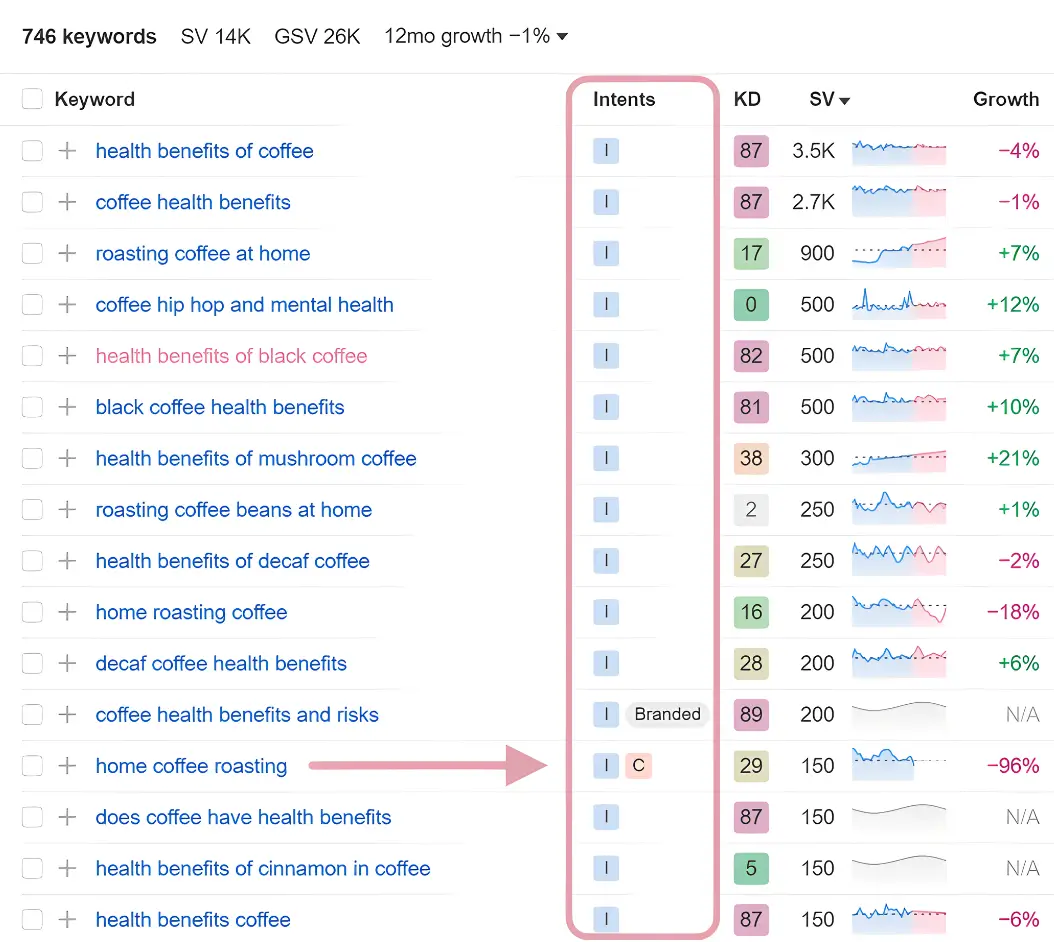
Keyword research is the practice of identifying the words and phrases people use to find things via search engines like Google. Learning how to do keyword research is a fundamental SEO task. When you know what your audience searches for, you can focus the content you create around those topics. Researching keywords gives SEOs, marketers, and organizations a better understanding of how high the demand is for certain keywords and how hard it would be to compete for those terms against competitors in the search results, offering some direction to optimization efforts.
Keyword research has changed to focus on search intent, which means figuring out what the main goal of each search is. Organizing keywords by user journey stages is a part of modern keyword research. This helps you make content that meets customers where they are in the buying process. You can make content that meets your users needs, boost search rankings, and helps potential customers find exactly what they're looking for by understanding search intent.
Keyword research is the practice of identifying the words and phrases people use to find things via search engines like Google. Learning how to do keyword research is a fundamental SEO task. When you know what your audience searches for, you can focus the content you create around those topics. Researching keywords gives SEOs, marketers, and organizations a better understanding of how high the demand is for certain keywords and how hard it would be to compete for those terms against competitors in the search results, offering some direction to optimization efforts.
Keyword research has changed to focus on search intent, which means figuring out what the main goal of each search is. Organizing keywords by user journey stages is a part of modern keyword research. This helps you make content that meets customers where they are in the buying process. You can make content that meets your users needs, boost search rankings, and helps potential customers find exactly what they're looking for by understanding search intent.
Why is Keyword Research Important for SEO?
Keyword research connects what viewers are looking for with the content you provides. Here's why it's essential:
Keyword research connects what viewers are looking for with the content you provides. Here's why it's essential:
•
•
Drives targeted traffic: Once you optimize for the right keywords, you get visitors who are searching for what you offer. This means that higher conversion rates and more qualified leads.
Drives targeted traffic: Once you optimize for the right keywords, you get visitors who are searching for what you offer. This means that higher conversion rates and more qualified leads.
•
•
Improves content relevancy: Understanding popular search terms helps you to create content that helps addressing your demographic needs.
Improves content relevancy: Understanding popular search terms helps you to create content that helps addressing your demographic needs.
•
•
Reveals market opportunities: Keyword research illustrates you where your content strategy is lacking and allows you know about popular topics before your competitors do.
Reveals market opportunities: Keyword research illustrates you where your content strategy is lacking and allows you know about popular topics before your competitors do.
•
•
Guides content strategy: Search data helps you figure out which topics are the most popular, helping you prioritize your content creation efforts.
Guides content strategy: Search data helps you figure out which topics are the most popular, helping you prioritize your content creation efforts.

Type of Keywords
Understanding the different kinds of keywords that help you build a comprehensive SEO strategy:
Understanding the different kinds of keywords that help you build a comprehensive SEO strategy:
•
•
Short-tail keywords: These are broad phrases/words that are generally 1-2 words long and get a lot of searches, but they also have a lot of competition. Example: "Running Shoes"
Short-tail keywords: These are broad phrases/words that are generally 1-2 words long and get a lot of searches, but they also have a lot of competition. Example: "Running Shoes"
•
•
Long-tail keywords: These are phrases/words that are generally 3 or more words that are very specific, like "best running shoes for flat feet." They don't get as many searches, but they have a better chance of turning into sales.
Long-tail keywords: These are phrases/words that are generally 3 or more words that are very specific, like "best running shoes for flat feet." They don't get as many searches, but they have a better chance of turning into sales.
How to Conduct Effective Keyword Research?
Here’s a step-by-step approch to mastering keyword research:
Here’s a step-by-step approch to mastering keyword research:
Steps
Steps
Steps
Steps
Description
Description
Description
Description
Start with seed keywords
Start with seed keywords
Start with seed keywords
Need to start with some simple phrases that are related to your business, products, or services. These are the basics you'll need to find more specific chances.
Need to start with some simple phrases that are related to your business, products, or services. These are the basics you'll need to find more specific chances.
Need to start with some simple phrases that are related to your business, products, or services. These are the basics you'll need to find more specific chances.
Use tools for keyword research
Use tools for keyword research
Use tools for keyword research
Use tools like Google Keyword Planner, SEMrush, Ahrefs, or free ones like Ubersuggest to add more keywords and expand your keyword list and gather search volume data.
Use tools like Google Keyword Planner, SEMrush, Ahrefs, or free ones like Ubersuggest to add more keywords and expand your keyword list and gather search volume data.
Use tools like Google Keyword Planner, SEMrush, Ahrefs, or free ones like Ubersuggest to add more keywords and expand your keyword list and gather search volume data.
Analyze competitor keywords
Analyze competitor keywords
Analyze competitor keywords
Look at the keywords that your competitors rank for to identify shortcomings in your own strategy and fresh opportunities.
Look at the keywords that your competitors rank for to identify shortcomings in your own strategy and fresh opportunities.
Look at the keywords that your competitors rank for to identify shortcomings in your own strategy and fresh opportunities.
Consider search intent
Consider search intent
Consider search intent
Group keywords by intent: informational (seeking knowledge), navigational (looking for specific sites), commercial (researching purchases), or transactional (ready to buy).
Group keywords by intent: informational (seeking knowledge), navigational (looking for specific sites), commercial (researching purchases), or transactional (ready to buy).
Group keywords by intent: informational (seeking knowledge), navigational (looking for specific sites), commercial (researching purchases), or transactional (ready to buy).
Examine keyword metrics
Examine keyword metrics
Examine keyword metrics
To figure out which keywords are best for your website, look at the search volume, keyword difficulty, and level of competition.
To figure out which keywords are best for your website, look at the search volume, keyword difficulty, and level of competition.
To figure out which keywords are best for your website, look at the search volume, keyword difficulty, and level of competition.
Begin by identifying seed keywords relevant to your business, then expand your list using keyword research tools and competitor analysis. Evaluate each keyword’s search intent, volume, and difficulty to choose the most effective targets for your strategy.
Begin by identifying seed keywords relevant to your business, then expand your list using keyword research tools and competitor analysis. Evaluate each keyword’s search intent, volume, and difficulty to choose the most effective targets for your strategy.
Best Practices for Keyword Research Success
•
•
Focus on relevance over volume: A keyword with 100 searches a month that fits your business perfectly is worth more than a high-volume term that doesn't convert.
Focus on relevance over volume: A keyword with 100 searches a month that fits your business perfectly is worth more than a high-volume term that doesn't convert.
•
•
Don't forget about local keywords: If you do business with people in your area, make sure to include location-based terms like "keyword research services in [city]" in your strategy.
Don't forget about local keywords: If you do business with people in your area, make sure to include location-based terms like "keyword research services in [city]" in your strategy.
•
•
Monitor seasonal trends: You can use tools like Google Trends to identify when certain keywords are most popular during the year.
Monitor seasonal trends: You can use tools like Google Trends to identify when certain keywords are most popular during the year.
•
•
Update Regularly: Search trends change constantly. To stay competitive, you should look over and update your keyword strategy every three to six months.
Update Regularly: Search trends change constantly. To stay competitive, you should look over and update your keyword strategy every three to six months.
Final Thoughts
Successful keyword research is just not about finding popular search terms it's more about understanding your demographic people's journey and creating content that serves them at every stage. By doing thorough research and then putting it into action in a smart way, a sustainable foundation for long-term SEO success can be built. Remember, keyword research is a continuous process, not a one time task. As search behaviors evolve and your business grows, your keyword strategy needs to be developed accordingly. Start with these fundamentals and you'll master the essential SEO skill.
Successful keyword research is just not about finding popular search terms it's more about understanding your demographic people's journey and creating content that serves them at every stage. By doing thorough research and then putting it into action in a smart way, a sustainable foundation for long-term SEO success can be built. Remember, keyword research is a continuous process, not a one time task. As search behaviors evolve and your business grows, your keyword strategy needs to be developed accordingly. Start with these fundamentals and you'll master the essential SEO skill.
Frequently Asked Questions (FAQs)
Frequently Asked Questions
What are short-tail and long-tail keywords?

Short-tail keywords are broad and usually 1-2 words (e.g., “shoes”). Long-tail keywords are longer, more specific phrases (e.g., “best running shoes for flat feet”). Long-tail keywords typically have less competition and higher conversion potential.
How does understanding search intent improve keyword research?
You should expect a structured process that includes onboarding, goal setting, strategy development, regular communication, execution of campaigns, and performance reporting. A good agency will act as a partner collaborating with you to understand your business, crafting a custom plan, and keeping you informed about progress and results.
Are local keywords important for my business?
Vanity metrics are data points that look impressive but don’t directly impact your bottom line, such as social media likes, page views, or email open rates. While they can indicate visibility, they’re not strong indicators of business success. What’s more important are actionable metrics like lead quality, conversion rate, and return on investment (ROI). Looking for more details? Contact us today before your competitors do.
How often should I update my keyword strategy?
High traffic without conversions often points to deeper issues such as: Poor targeting (the wrong audience is visiting), weak calls-to-action or unclear messaging, website usability issues or slow load times, lack of trust signals (like reviews or security).
Your marketing should not just drive visits; it should drive the right visitors and guide them to act.
What are the negative keywords, and why are they important?
You’ll know it’s working when you see measurable progress toward your business goals, more qualified leads, better engagement, increased sales, or stronger ROI. Regular reports, clear KPIs, and consistent communication from your agency are key to evaluating success.
Can keyword research help me find new market opportunities?
Organic marketing (like SEO, blogging, and social media engagement) often takes 3 to 6 months to start showing results and may take 6–12 months for significant impact. It builds trust and authority over time, and while slower than paid marketing, it often yields more sustainable growth.
Can keyword research help with paid advertising?
A good marketing report should cover: Key performance indicators (KPIs) tied to your goals, traffic and conversion data, campaign performance summaries, ROI or cost-per-lead/acquisition, insights and recommendations for improvement, clear next steps or action items.
It should be easy to understand, jargon-free, and focus on outcomes. Learn more—how we drive revenue?
What are short-tail and long-tail keywords?
Short-tail keywords are broad and usually 1-2 words (e.g., “shoes”). Long-tail keywords are longer, more specific phrases (e.g., “best running shoes for flat feet”). Long-tail keywords typically have less competition and higher conversion potential.
How does understanding search intent improve keyword research?
You should expect a structured process that includes onboarding, goal setting, strategy development, regular communication, execution of campaigns, and performance reporting. A good agency will act as a partner collaborating with you to understand your business, crafting a custom plan, and keeping you informed about progress and results.
Are local keywords important for my business?
Vanity metrics are data points that look impressive but don’t directly impact your bottom line, such as social media likes, page views, or email open rates. While they can indicate visibility, they’re not strong indicators of business success. What’s more important are actionable metrics like lead quality, conversion rate, and return on investment (ROI). Looking for more details? Contact us today before your competitors do.
How often should I update my keyword strategy?
High traffic without conversions often points to deeper issues such as: Poor targeting (the wrong audience is visiting), weak calls-to-action or unclear messaging, website usability issues or slow load times, lack of trust signals (like reviews or security).
Your marketing should not just drive visits; it should drive the right visitors and guide them to act.
What are the negative keywords, and why are they important?
You’ll know it’s working when you see measurable progress toward your business goals, more qualified leads, better engagement, increased sales, or stronger ROI. Regular reports, clear KPIs, and consistent communication from your agency are key to evaluating success.
Can keyword research help me find new market opportunities?
Organic marketing (like SEO, blogging, and social media engagement) often takes 3 to 6 months to start showing results and may take 6–12 months for significant impact. It builds trust and authority over time, and while slower than paid marketing, it often yields more sustainable growth.
Can keyword research help with paid advertising?
A good marketing report should cover: Key performance indicators (KPIs) tied to your goals, traffic and conversion data, campaign performance summaries, ROI or cost-per-lead/acquisition, insights and recommendations for improvement, clear next steps or action items.
It should be easy to understand, jargon-free, and focus on outcomes. Learn more—how we drive revenue?
Find the Keywords That Drive Real Traffic and Revenue
Find the Keywords That Drive Real Traffic and Revenue
Keyword Research Identifies High-value Search Terms for Seo.
Find high-value keywords to guide your content, improve visibility, and attract the right users to your website.
Find high-value keywords to guide your content, improve visibility & attract the users to your website.
Find high-value keywords to guide your content, improve visibility, and attract the right users to your website.
Find high-value keywords to guide your content, improve visibility & attract the users to your website.
4.9/5 Ratings!
4.9/5 Ratings!
Share this article

Related Resources
Latest Blogs






Don’t miss our revenue growth tips!
Don’t miss our revenue growth tips!
Get expert marketing tips—straight to your inbox, like thousands of happy clients.
Get expert marketing tips—straight to your inbox, like thousands of happy clients.
Latest Blogs


























Ready to speak with an expert?
Data-Driven Marketing Agency That Elevates ROI
1100+
Websites Designed & Optimized to Convert
$280M+
Client Revenue Driven & Growing Strong
Discover how to skyrocket
your revenue today!


Trusted by 1000+ Owners!
Ready to speak with an expert?
Data-Driven Marketing Agency That Elevates ROI
1100+
Websites Designed & Optimized to Convert
$280M+
Client Revenue Driven & Growing Strong
Discover how to skyrocket
your revenue today!
Trusted by 1000+ Owners!
Want to skyrocket revenue?
4.9/5 Ratings!
Ready to speak with an expert?
Data-Driven Marketing Agency That Elevates ROI
1100+
Websites Designed & Optimized to Convert
$280M+
Client Revenue Driven & Growing Strong
Want to skyrocket
revenue?
Trusted by 1000+ Owners!
Call
Meet