What is Pay-Per-Click (PPC)? A Quick Beginner’s Guide.
What is Pay-Per-Click (PPC)? A Quick Beginner’s Guide.
Pay-Per-Click
Pay-Per-Click
Pay-Per-Click
Pay-Per-Click (PPC) is an online advertising model where advertisers pay each time someone clicks their ad, helping drive targeted traffic beyond organic search results.
Pay-Per-Click (PPC) is an online advertising model where advertisers pay each time someone clicks their ad, helping drive targeted traffic beyond organic search results.

Table of Content







Mansi Kalla
Mansi Kalla
6 Min Read
6 Min Read
Sep 18, 2025
Sep 18, 2025
What is Pay-Per-Click (PPC)?
PPC is a form of online advertising whereby the advertiser is charged every time his/her ad gets clicked. Rather than getting visits naturally, you purchase them, therefore pay-per-click. It is a quick, quantifiable method of getting to likely customers who are actively on the hunt to find products or services like yours.
Google Ads is the most used PPC platform and displays advertisements in search results as well as throughout the Google Display Network. The other significant platforms are Microsoft Advertising (Bing Ads), Facebook Ads, LinkedIn Ads and Amazon Advertising.
PPC is a form of online advertising whereby the advertiser is charged every time his/her ad gets clicked. Rather than getting visits naturally, you purchase them, therefore pay-per-click. It is a quick, quantifiable method of getting to likely customers who are actively on the hunt to find products or services like yours.
Google Ads is the most used PPC platform and displays advertisements in search results as well as throughout the Google Display Network. The other significant platforms are Microsoft Advertising (Bing Ads), Facebook Ads, LinkedIn Ads and Amazon Advertising.
How Does PPC Work?
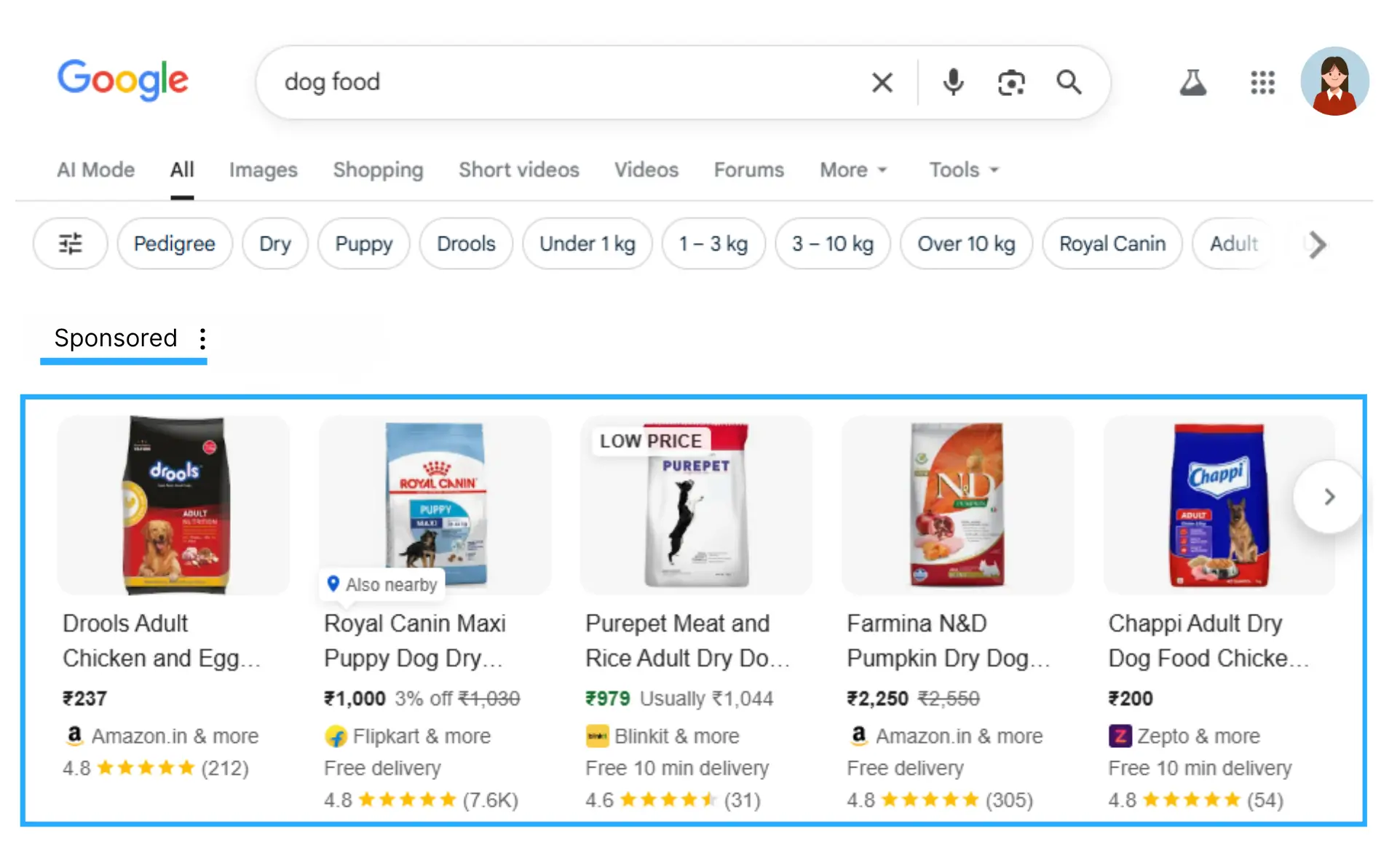
PPC campaigns are usually run based on auction. Advertisers place bids on keywords that are in line with their business. When a user enters one of those keywords, Google (or another platform) runs an auction to determine which ads are shown and in what order.
The major determinants of ad placement are:
Bid Amount: This is how much you are willing to pay per click.
Quality Score: Google’s rating of your ad’s relevance, click-through rate (CTR), and landing page experience.
Ad Rank: Your bid and quality score are combined to place your ad.
The aim is to balance competitive bid, as well as a high-quality ad to achieve maximum return on investment (ROI).
PPC campaigns are usually run based on auction. Advertisers place bids on keywords that are in line with their business. When a user enters one of those keywords, Google (or another platform) runs an auction to determine which ads are shown and in what order.
The major determinants of ad placement are:
Bid Amount: This is how much you are willing to pay per click.
Quality Score: Google’s rating of your ad’s relevance, click-through rate (CTR), and landing page experience.
Ad Rank: Your bid and quality score are combined to place your ad.
The aim is to balance competitive bid, as well as a high-quality ad to achieve maximum return on investment (ROI).
The Major Elements of an Effective PPC.
1. Keyword Research
1. Keyword Research
It is important to find appropriate keywords. Target keywords that your target audience is using such as:
Short-tail keywords: General terms that have a lot of search volume.
Long-tail keywords: More specific and less competitive phrases and high intent.
It is important to find appropriate keywords. Target keywords that your target audience is using such as:
Short-tail keywords: General terms that have a lot of search volume.
Long-tail keywords: More specific and less competitive phrases and high intent.
2. Compelling Ad Copy
2. Compelling Ad Copy
Your advertisement must be catchy and encourage clicks. Include:
Clear headlines: Powerful appeals to action (e.g., "Buy Now," "Get a Free Quote).
Landing Pages: The user experience should be a seamless one that the page users arrive at after clicking your ad should be what the ad is promising. Fast loading speeds and clear calls to action boost conversion rates.
Your advertisement must be catchy and encourage clicks. Include:
Clear headlines: Powerful appeals to action (e.g., "Buy Now," "Get a Free Quote).
Landing Pages: The user experience should be a seamless one that the page users arrive at after clicking your ad should be what the ad is promising. Fast loading speeds and clear calls to action boost conversion rates.
3. Tracking and Analytics
3. Tracking and Analytics
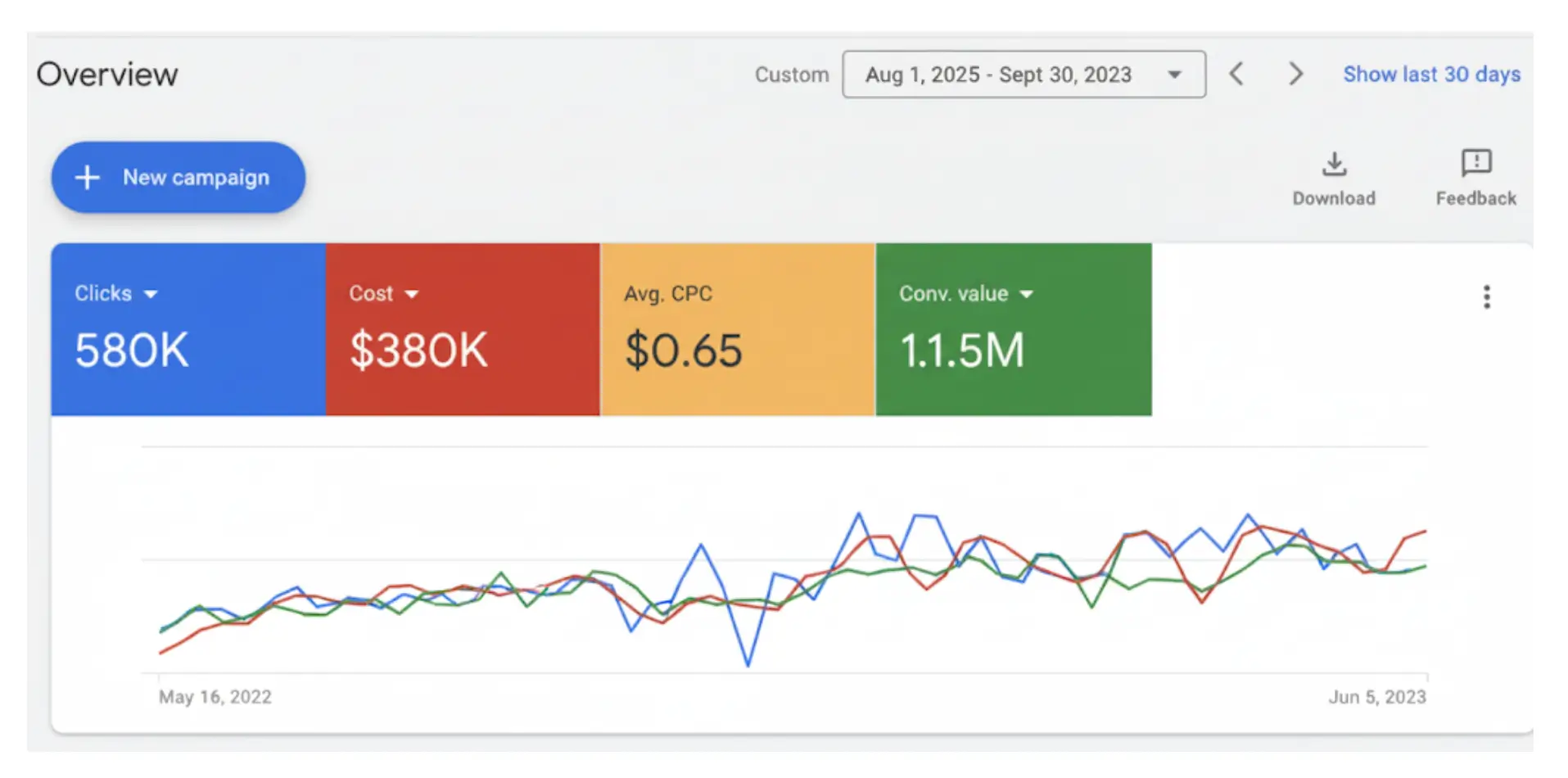
Measure clicks, conversions and ROI using tools such as Google Analytics and conversion tracking. This information assists in streamlining the campaigns in the long run.
Measure clicks, conversions and ROI using tools such as Google Analytics and conversion tracking. This information assists in streamlining the campaigns in the long run.
Benefits of PPC Advertising
Benefit
Benefit
Benefit
Benefit
Description
Description
Description
Description
Instant Visibility
Instant Visibility
Instant Visibility
PPC ads appear at the top of search results immediately, giving your business instant exposure.
PPC ads appear at the top of search results immediately, giving your business instant exposure.
PPC ads appear at the top of search results immediately, giving your business instant exposure.
Highly Targeted Reach
Highly Targeted Reach
Highly Targeted Reach
You can target specific audiences by location, keywords, demographics, interests, and device type.
You can target specific audiences by location, keywords, demographics, interests, and device type.
You can target specific audiences by location, keywords, demographics, interests, and device type.
Cost Control
Cost Control
Cost Control
You only pay when someone clicks your ad, allowing full control over your ad spend and budget.
You only pay when someone clicks your ad, allowing full control over your ad spend and budget.
You only pay when someone clicks your ad, allowing full control over your ad spend and budget.
Measurable Results
Measurable Results
Measurable Results
PPC platforms like Google Ads provide detailed insights into clicks, impressions, and conversions.
PPC platforms like Google Ads provide detailed insights into clicks, impressions, and conversions.
PPC platforms like Google Ads provide detailed insights into clicks, impressions, and conversions.
Brand Awareness
Brand Awareness
Brand Awareness
Even if users don’t click, frequent ad appearances help increase brand visibility and recognition.
Even if users don’t click, frequent ad appearances help increase brand visibility and recognition.
Even if users don’t click, frequent ad appearances help increase brand visibility and recognition.
Quick Testing & Optimization
Quick Testing & Optimization
Quick Testing & Optimization
PPC campaigns can be adjusted anytime — test ad copies, keywords, and landing pages for better performance.
PPC campaigns can be adjusted anytime — test ad copies, keywords, and landing pages for better performance.
PPC campaigns can be adjusted anytime — test ad copies, keywords, and landing pages for better performance.
Boosts Website Traffic & Leads
Boosts Website Traffic & Leads
Boosts Website Traffic & Leads
Drives targeted visitors who are actively searching for your products or services.
Drives targeted visitors who are actively searching for your products or services.
Drives targeted visitors who are actively searching for your products or services.
Complements SEO Efforts
Complements SEO Efforts
Complements SEO Efforts
While SEO builds long-term results, PPC delivers immediate traffic and insights that can guide SEO strategy.
While SEO builds long-term results, PPC delivers immediate traffic and insights that can guide SEO strategy.
While SEO builds long-term results, PPC delivers immediate traffic and insights that can guide SEO strategy.
PPC advertising offers a fast and measurable way to attract the right audience to your website. With strategic targeting and ongoing optimization, it ensures every click contributes to meaningful business growth.
PPC advertising offers a fast and measurable way to attract the right audience to your website. With strategic targeting and ongoing optimization, it ensures every click contributes to meaningful business growth.
Common PPC Challenges
Cost: High cost-per- click (CPC) can be competitive across industries.
Click Fraud: Rival companies or automated bots may also be clicking your adverts to empty your wallet.
Complexity: Campaign management is a continuous process that needs experience.
Ad Fatigue: Excessive exposure to the same advertisements may lower efficiency.
Best Practices to maximize PPC Success:
Do comprehensive research on keywords and update your list on a regular basis.
Compose interesting, pertinent ad text that suits the intent of the user.
Streamline landing pages to be fast, user friendly and mobile friendly.
Add negative keywords to avoid irrelevant clicks.
To enhance performance, perform test ad variations (A/B testing).
Control and modify bids with performance information.
Cost: High cost-per- click (CPC) can be competitive across industries.
Click Fraud: Rival companies or automated bots may also be clicking your adverts to empty your wallet.
Complexity: Campaign management is a continuous process that needs experience.
Ad Fatigue: Excessive exposure to the same advertisements may lower efficiency.
Best Practices to maximize PPC Success:
Do comprehensive research on keywords and update your list on a regular basis.
Compose interesting, pertinent ad text that suits the intent of the user.
Streamline landing pages to be fast, user friendly and mobile friendly.
Add negative keywords to avoid irrelevant clicks.
To enhance performance, perform test ad variations (A/B testing).
Control and modify bids with performance information.
Final Thoughts
PPC is an effective method of reaching a large number of potential buyers in a short period of time and generating targeted traffic. It can generate great ROI when handled correctly and be used to supplement your overall marketing plan.
Nonetheless, it needs constant management, strategic thinking, and constant optimization. With the basics and the best practices, both small and large businesses can use the power of PPC to expand their presence on the Internet and increase sales.
Pay-Per-Click is not only purchasing clicks but intelligent targeting, catchy advertising and continuous improvement. Begin low, test your results, and expand your campaigns to succeed in the long term.
PPC is an effective method of reaching a large number of potential buyers in a short period of time and generating targeted traffic. It can generate great ROI when handled correctly and be used to supplement your overall marketing plan.
Nonetheless, it needs constant management, strategic thinking, and constant optimization. With the basics and the best practices, both small and large businesses can use the power of PPC to expand their presence on the Internet and increase sales.
Pay-Per-Click is not only purchasing clicks but intelligent targeting, catchy advertising and continuous improvement. Begin low, test your results, and expand your campaigns to succeed in the long term.
Frequently Asked Questions (FAQs)
Frequently Asked Questions
How do I choose the right keywords for PPC?

Select keywords based on:
Relevance to your product
User intent (buying, researching, comparing)
Competition and cost
Long-tail phrases that indicate high purchase intent
Keyword research tools help you refine your list for maximum impact.
What makes a PPC ad compelling enough to get clicks?
You should expect a structured process that includes onboarding, goal setting, strategy development, regular communication, execution of campaigns, and performance reporting. A good agency will act as a partner collaborating with you to understand your business, crafting a custom plan, and keeping you informed about progress and results.
How quickly can PPC drive results?
Vanity metrics are data points that look impressive but don’t directly impact your bottom line, such as social media likes, page views, or email open rates. While they can indicate visibility, they’re not strong indicators of business success. What’s more important are actionable metrics like lead quality, conversion rate, and return on investment (ROI). Looking for more details? Contact us today before your competitors do.
What are the most common PPC pricing models?
High traffic without conversions often points to deeper issues such as: Poor targeting (the wrong audience is visiting), weak calls-to-action or unclear messaging, website usability issues or slow load times, lack of trust signals (like reviews or security).
Your marketing should not just drive visits; it should drive the right visitors and guide them to act.
What is a PPC funnel and how do you build one?
You’ll know it’s working when you see measurable progress toward your business goals, more qualified leads, better engagement, increased sales, or stronger ROI. Regular reports, clear KPIs, and consistent communication from your agency are key to evaluating success.
How do seasonal trends affect PPC performance?
Organic marketing (like SEO, blogging, and social media engagement) often takes 3 to 6 months to start showing results and may take 6–12 months for significant impact. It builds trust and authority over time, and while slower than paid marketing, it often yields more sustainable growth.
What is the difference between cold traffic and warm traffic in PPC?
A good marketing report should cover: Key performance indicators (KPIs) tied to your goals, traffic and conversion data, campaign performance summaries, ROI or cost-per-lead/acquisition, insights and recommendations for improvement, clear next steps or action items.
It should be easy to understand, jargon-free, and focus on outcomes. Learn more—how we drive revenue?
How do I choose the right keywords for PPC?
Select keywords based on:
Relevance to your product
User intent (buying, researching, comparing)
Competition and cost
Long-tail phrases that indicate high purchase intent
Keyword research tools help you refine your list for maximum impact.
What makes a PPC ad compelling enough to get clicks?
You should expect a structured process that includes onboarding, goal setting, strategy development, regular communication, execution of campaigns, and performance reporting. A good agency will act as a partner collaborating with you to understand your business, crafting a custom plan, and keeping you informed about progress and results.
How quickly can PPC drive results?
Vanity metrics are data points that look impressive but don’t directly impact your bottom line, such as social media likes, page views, or email open rates. While they can indicate visibility, they’re not strong indicators of business success. What’s more important are actionable metrics like lead quality, conversion rate, and return on investment (ROI). Looking for more details? Contact us today before your competitors do.
What are the most common PPC pricing models?
High traffic without conversions often points to deeper issues such as: Poor targeting (the wrong audience is visiting), weak calls-to-action or unclear messaging, website usability issues or slow load times, lack of trust signals (like reviews or security).
Your marketing should not just drive visits; it should drive the right visitors and guide them to act.
What is a PPC funnel and how do you build one?
You’ll know it’s working when you see measurable progress toward your business goals, more qualified leads, better engagement, increased sales, or stronger ROI. Regular reports, clear KPIs, and consistent communication from your agency are key to evaluating success.
How do seasonal trends affect PPC performance?
Organic marketing (like SEO, blogging, and social media engagement) often takes 3 to 6 months to start showing results and may take 6–12 months for significant impact. It builds trust and authority over time, and while slower than paid marketing, it often yields more sustainable growth.
What is the difference between cold traffic and warm traffic in PPC?
A good marketing report should cover: Key performance indicators (KPIs) tied to your goals, traffic and conversion data, campaign performance summaries, ROI or cost-per-lead/acquisition, insights and recommendations for improvement, clear next steps or action items.
It should be easy to understand, jargon-free, and focus on outcomes. Learn more—how we drive revenue?
Launch Revenue-Driven PPC Campaigns
Launch Revenue-Driven PPC Campaigns
Create optimized PPC campaigns to reach the right audience and drive quality conversions.
Create optimized PPC campaigns to reach the right audience and drive quality conversions.

4.9/5 Ratings!
4.9/5 Ratings!
Share this article
Share this article

Related Resources





Don’t miss our revenue growth tips!
Don’t miss our revenue growth tips!
Don’t miss our revenue growth tips!
Get expert marketing tips—straight to your inbox, like thousands of happy clients.
Get expert marketing tips—straight to your inbox, like thousands of happy clients.









Ready to speak with an expert?
Data-Driven Marketing Agency That Elevates ROI
1100+
Websites Designed & Optimized to Convert
$280M+
Client Revenue Driven & Growing Strong
Discover how to skyrocket
your revenue today!


Trusted by 1000+ Owners!
Ready to speak with an expert?
Data-Driven Marketing Agency That Elevates ROI
1100+
Websites Designed & Optimized to Convert
$280M+
Client Revenue Driven & Growing Strong
Discover how to skyrocket
your revenue today!
Trusted by 1000+ Owners!
Want to skyrocket revenue?
4.9/5 Ratings!
Ready to speak with an expert?
Data-Driven Marketing Agency That Elevates ROI
1100+
Websites Designed & Optimized to Convert
$280M+
Client Revenue Driven & Growing Strong
Want to skyrocket
revenue?
Trusted by 1000+ Owners!
Call
Meet