Influencer Marketing: Building Connections That Grow Your Brand
Influencer Marketing: Building Connections That Grow Your Brand
Influencer Marketing
Influencer Marketing
Influencer Marketing
Influencer marketing is a strategy that uses well-known people to push brands, building real relationships with audiences and getting them involved.
Influencer marketing is a strategy that uses well-known people to push brands, building real relationships with audiences and getting them involved.

Table of Content
Case Studies



Amplify Your Brand Reach with the Right Influencers


4.9/5 Ratings!

Kamal V.
Kamal V.
5 Min Read
5 Min
Oct 31, 2025
Oct 31, 2025
What Exactly is Influencer Marketing?
Influencer marketing is when a brand teams up with people who already have loyal communities online; think Instagram creators, TikTokers, YouTubers, or even niche bloggers.
These individuals create content around your product or service, sharing their own honest take with their audience. Unlike old-school celebrity endorsements that often felt staged, influencer marketing thrives on real experiences and personal opinions.
That authenticity is its secret weapon. When followers see an influencer using something they genuinely love, it feels natural, not forced. And that’s what builds trust. Because at the end of the day, people trust people more than they trust ads.
Influencer marketing is when a brand teams up with people who already have loyal communities online; think Instagram creators, TikTokers, YouTubers, or even niche bloggers.
These individuals create content around your product or service, sharing their own honest take with their audience. Unlike old-school celebrity endorsements that often felt staged, influencer marketing thrives on real experiences and personal opinions.
That authenticity is its secret weapon. When followers see an influencer using something they genuinely love, it feels natural, not forced. And that’s what builds trust. Because at the end of the day, people trust people more than they trust ads.
Why Influencer Marketing Work So Well?
1. It Builds Real Trust
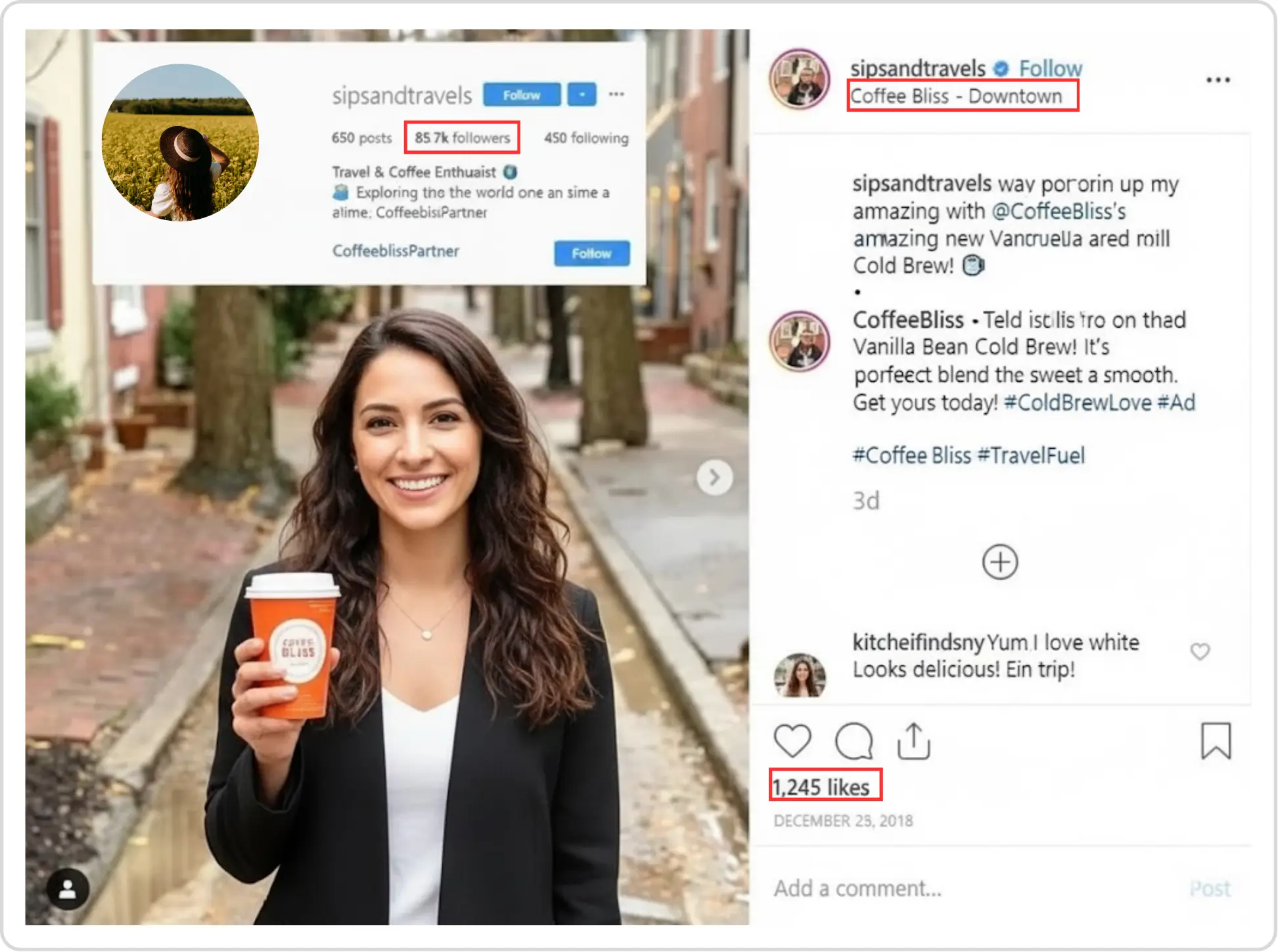
Think of an influencer as a friend with great taste. Their followers listen because they’ve earned credibility over time. So, when they recommend your brand, it doesn’t feel like an ad; it feels like a trusted suggestion. That kind of endorsement can move the needle in ways traditional ads rarely do.
2. It Targets the Right People
Influencers often focus on a specific niche: fitness, beauty, travel, tech, you name it. Partnering with the right one means your product reaches people who are already interested in that space. It’s laser-focused marketing without the guesswork.
3. It Sparks Engagement
Good influencer content gets people talking—comments, shares, DMs, all of it. This engagement gives your brand visibility and builds a little community of people who are genuinely curious about what you offer.
4. It Delivers Content That Feels Real
Influencers are natural storytellers. Their photos, videos, and captions don’t look like ads because… they’re not. They create content that resonates, the kind of stuff you can easily repurpose on your own channels without it feeling corporate or stiff.
1. It Builds Real Trust
Think of an influencer as a friend with great taste. Their followers listen because they’ve earned credibility over time. So, when they recommend your brand, it doesn’t feel like an ad; it feels like a trusted suggestion. That kind of endorsement can move the needle in ways traditional ads rarely do.
2. It Targets the Right People
Influencers often focus on a specific niche: fitness, beauty, travel, tech, you name it. Partnering with the right one means your product reaches people who are already interested in that space. It’s laser-focused marketing without the guesswork.
3. It Sparks Engagement
Good influencer content gets people talking—comments, shares, DMs, all of it. This engagement gives your brand visibility and builds a little community of people who are genuinely curious about what you offer.
4. It Delivers Content That Feels Real
Influencers are natural storytellers. Their photos, videos, and captions don’t look like ads because… they’re not. They create content that resonates, the kind of stuff you can easily repurpose on your own channels without it feeling corporate or stiff.
Types of Influencers (and Who You Should Work With?)
There’s no one-size-fits-all answer. The “right” influencer depends on your goals, budget, and the type of audience you want to reach.
Here’s a quick breakdown:
There’s no one-size-fits-all answer. The “right” influencer depends on your goals, budget, and the type of audience you want to reach.
Here’s a quick breakdown:
•
•
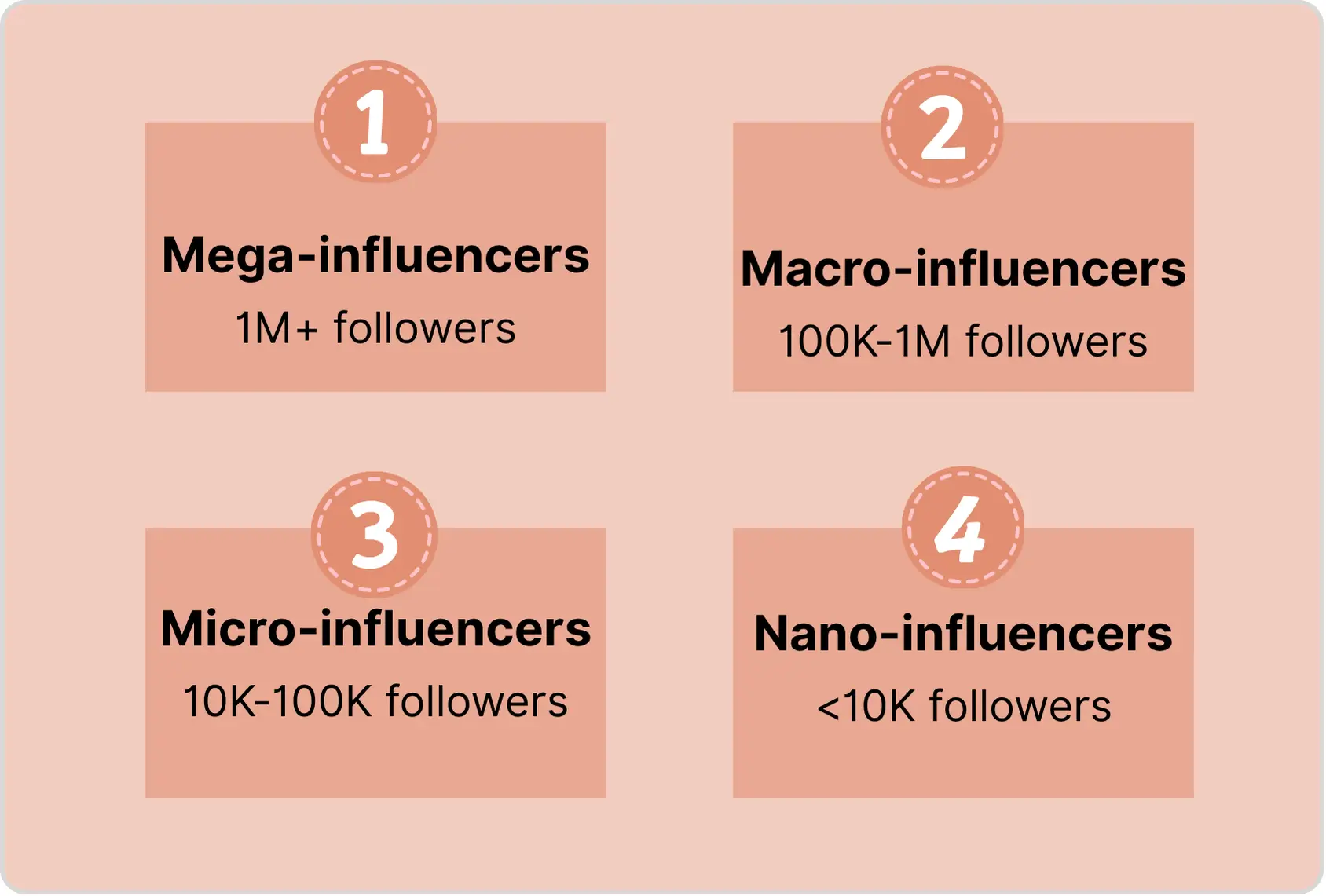
Mega-Influencers: The celebrities and internet-famous personalities with millions of followers. They’re great for massive exposure but pricey and often less personal.
Mega-Influencers: The celebrities and internet-famous personalities with millions of followers. They’re great for massive exposure but pricey and often less personal.
•
•
Macro-Influencers: Big creators with 100K–1M followers. They balance reach and relatability, ideal for growing brands.
Macro-Influencers: Big creators with 100K–1M followers. They balance reach and relatability, ideal for growing brands.
•
•
Micro-Influencers: Smaller creators (10K–100K followers) who own their niche. They have highly engaged communities and often deliver better ROI.
Micro-Influencers: Smaller creators (10K–100K followers) who own their niche. They have highly engaged communities and often deliver better ROI.
•
•
Nano-Influencers: Everyday people with a few thousand dedicated followers. Perfect for local or super-targeted campaigns, and often the most authentic of them all.
Nano-Influencers: Everyday people with a few thousand dedicated followers. Perfect for local or super-targeted campaigns, and often the most authentic of them all.
How to Build a Strong Influencer Campaign?
1. Set Clear Goals
Start with why. Are you trying to get your name out there, drive website traffic, promote a launch, or generate direct sales? Knowing your end goal makes every decision, from influencer selection to content type, so much easier.
2. Choose the Right Influencers
Look beyond follower count. Pay attention to engagement, tone, and audience alignment. Do their followers look like your customers? Do they share your brand’s vibe? Use tools like BuzzSumo, Upfluence, or even manual searches on social platforms to find the right fits.
3. Give Direction, But Don’t Script
You want influencers to represent your brand but not sound like your marketing department. Share your key talking points, hashtags, and goals, but let them tell the story their way. That’s where authenticity lives.
4. Be Transparent About Compensation
Influencers work in different ways; some prefer flat fees, while others accept free products, commissions, or a mix. Whatever you agree on, make sure expectations, deliverables, and deadlines are crystal clear from the start.
5. Track Your Results
Measure what matters. Use unique links, promo codes, or affiliate dashboards to see what’s performing. Look at engagement rates, traffic, and conversions, and use those insights to fine-tune future campaigns.
1. Set Clear Goals
Start with why. Are you trying to get your name out there, drive website traffic, promote a launch, or generate direct sales? Knowing your end goal makes every decision, from influencer selection to content type, so much easier.
2. Choose the Right Influencers
Look beyond follower count. Pay attention to engagement, tone, and audience alignment. Do their followers look like your customers? Do they share your brand’s vibe? Use tools like BuzzSumo, Upfluence, or even manual searches on social platforms to find the right fits.
3. Give Direction, But Don’t Script
You want influencers to represent your brand but not sound like your marketing department. Share your key talking points, hashtags, and goals, but let them tell the story their way. That’s where authenticity lives.
4. Be Transparent About Compensation
Influencers work in different ways; some prefer flat fees, while others accept free products, commissions, or a mix. Whatever you agree on, make sure expectations, deliverables, and deadlines are crystal clear from the start.
5. Track Your Results
Measure what matters. Use unique links, promo codes, or affiliate dashboards to see what’s performing. Look at engagement rates, traffic, and conversions, and use those insights to fine-tune future campaigns.
Common Mistakes (That Can Ruin a Campaign)
Mistake
Mistake
Mistake
Mistake
Description
Description
Description
Description
Chasing Big Numbers
Chasing Big Numbers
Chasing Big Numbers
A million followers mean nothing if they’re not engaged or relevant to your brand. Focus on connection, not size.
A million followers mean nothing if they’re not engaged or relevant to your brand. Focus on connection, not size.
A million followers mean nothing if they’re not engaged or relevant to your brand. Focus on connection, not size.
Vague Briefs
Vague Briefs
Vague Briefs
Without clear direction, influencers can miss the mark. Set expectations early.
Without clear direction, influencers can miss the mark. Set expectations early.
Without clear direction, influencers can miss the mark. Set expectations early.
Skipping FTC Disclosures
Skipping FTC Disclosures
Skipping FTC Disclosures
Always ensure sponsored content is clearly labeled, it protects both your brand and the influencer.
Always ensure sponsored content is clearly labeled, it protects both your brand and the influencer.
Always ensure sponsored content is clearly labeled, it protects both your brand and the influencer.
Treating It as a One-Off
Treating It as a One-Off
Treating It as a One-Off
The best results come from building long-term relationships, not one-time deals.
The best results come from building long-term relationships, not one-time deals.
The best results come from building long-term relationships, not one-time deals.
Not Measuring Performance
Not Measuring Performance
Not Measuring Performance
Data tells the real story. Don’t skip analytics, it’s how you grow smarter with each campaign.
Data tells the real story. Don’t skip analytics, it’s how you grow smarter with each campaign.
Data tells the real story. Don’t skip analytics, it’s how you grow smarter with each campaign.
What’s Trending in Influencer Marketing?
•
•
Short-Form Video Rules: TikTok, Reels, and Shorts, this is where engagement lives. Video storytelling is leading the way.
Short-Form Video Rules: TikTok, Reels, and Shorts, this is where engagement lives. Video storytelling is leading the way.
•
•
Raw Over Perfect: People connect with unfiltered moments. Audiences want real, not rehearsed.
Raw Over Perfect: People connect with unfiltered moments. Audiences want real, not rehearsed.
•
•
AI-Powered Matching: Artificial intelligence tools now help brands discover ideal influencers and predict campaign performance with surprising accuracy.
AI-Powered Matching: Artificial intelligence tools now help brands discover ideal influencers and predict campaign performance with surprising accuracy.
•
•
Rise of Micro & Nano Influencers: Smaller creators are proving that authenticity beats scale. Their recommendations simply hit harder.
Rise of Micro & Nano Influencers: Smaller creators are proving that authenticity beats scale. Their recommendations simply hit harder.
•
•
E-Commerce Meets Influence: Shoppable posts and live streams are turning “likes” into instant checkouts. Expect this to continue growing fast.
E-Commerce Meets Influence: Shoppable posts and live streams are turning “likes” into instant checkouts. Expect this to continue growing fast.
Final Thoughts
The future of marketing belongs to brands that know how to build trust before selling. Influencer marketing gives you that opportunity to connect with your audience through voices they already admire and relate to.
But success doesn’t come from one-off deals or big follower counts. It comes from consistency, transparency, and mutual respect between brands and creators. When you treat influencer collaborations as partnerships, not transactions, you build something far more valuable than reach: loyalty.
In a world where attention spans are short, genuine relationships last. Invest in them.
The future of marketing belongs to brands that know how to build trust before selling. Influencer marketing gives you that opportunity to connect with your audience through voices they already admire and relate to.
But success doesn’t come from one-off deals or big follower counts. It comes from consistency, transparency, and mutual respect between brands and creators. When you treat influencer collaborations as partnerships, not transactions, you build something far more valuable than reach: loyalty.
In a world where attention spans are short, genuine relationships last. Invest in them.
Frequently Asked Questions (FAQs)
Frequently Asked Questions
What platforms work best for influencer marketing?

It depends on where your audience hangs out:
Instagram & TikTok: lifestyle, beauty, fashion, food, travel
YouTube: tutorials, reviews, long-form product demos
LinkedIn: B2B thought leadership
Pinterest: DIY, design, home decor
Choosing platforms based on user behavior ensures you reach people where they’re most engaged.
How do I know if influencer marketing is right for my business?
You should expect a structured process that includes onboarding, goal setting, strategy development, regular communication, execution of campaigns, and performance reporting. A good agency will act as a partner collaborating with you to understand your business, crafting a custom plan, and keeping you informed about progress and results.
How long should an influencer campaign run?
Vanity metrics are data points that look impressive but don’t directly impact your bottom line, such as social media likes, page views, or email open rates. While they can indicate visibility, they’re not strong indicators of business success. What’s more important are actionable metrics like lead quality, conversion rate, and return on investment (ROI). Looking for more details? Contact us today before your competitors do.
Why is long-term influencer collaboration more effective?
High traffic without conversions often points to deeper issues such as: Poor targeting (the wrong audience is visiting), weak calls-to-action or unclear messaging, website usability issues or slow load times, lack of trust signals (like reviews or security).
Your marketing should not just drive visits; it should drive the right visitors and guide them to act.
How do I determine the right budget for an influencer marketing campaign?
You’ll know it’s working when you see measurable progress toward your business goals, more qualified leads, better engagement, increased sales, or stronger ROI. Regular reports, clear KPIs, and consistent communication from your agency are key to evaluating success.
Can small businesses benefit from influencer marketing?
Organic marketing (like SEO, blogging, and social media engagement) often takes 3 to 6 months to start showing results and may take 6–12 months for significant impact. It builds trust and authority over time, and while slower than paid marketing, it often yields more sustainable growth.
What trends will shape influencer marketing in the next few years?
A good marketing report should cover: Key performance indicators (KPIs) tied to your goals, traffic and conversion data, campaign performance summaries, ROI or cost-per-lead/acquisition, insights and recommendations for improvement, clear next steps or action items.
It should be easy to understand, jargon-free, and focus on outcomes. Learn more—how we drive revenue?
What platforms work best for influencer marketing?
It depends on where your audience hangs out:
Instagram & TikTok: lifestyle, beauty, fashion, food, travel
YouTube: tutorials, reviews, long-form product demos
LinkedIn: B2B thought leadership
Pinterest: DIY, design, home decor
Choosing platforms based on user behavior ensures you reach people where they’re most engaged.
How do I know if influencer marketing is right for my business?
You should expect a structured process that includes onboarding, goal setting, strategy development, regular communication, execution of campaigns, and performance reporting. A good agency will act as a partner collaborating with you to understand your business, crafting a custom plan, and keeping you informed about progress and results.
How long should an influencer campaign run?
Vanity metrics are data points that look impressive but don’t directly impact your bottom line, such as social media likes, page views, or email open rates. While they can indicate visibility, they’re not strong indicators of business success. What’s more important are actionable metrics like lead quality, conversion rate, and return on investment (ROI). Looking for more details? Contact us today before your competitors do.
Why is long-term influencer collaboration more effective?
High traffic without conversions often points to deeper issues such as: Poor targeting (the wrong audience is visiting), weak calls-to-action or unclear messaging, website usability issues or slow load times, lack of trust signals (like reviews or security).
Your marketing should not just drive visits; it should drive the right visitors and guide them to act.
How do I determine the right budget for an influencer marketing campaign?
You’ll know it’s working when you see measurable progress toward your business goals, more qualified leads, better engagement, increased sales, or stronger ROI. Regular reports, clear KPIs, and consistent communication from your agency are key to evaluating success.
Can small businesses benefit from influencer marketing?
Organic marketing (like SEO, blogging, and social media engagement) often takes 3 to 6 months to start showing results and may take 6–12 months for significant impact. It builds trust and authority over time, and while slower than paid marketing, it often yields more sustainable growth.
What trends will shape influencer marketing in the next few years?
A good marketing report should cover: Key performance indicators (KPIs) tied to your goals, traffic and conversion data, campaign performance summaries, ROI or cost-per-lead/acquisition, insights and recommendations for improvement, clear next steps or action items.
It should be easy to understand, jargon-free, and focus on outcomes. Learn more—how we drive revenue?


Amplify Your Brand Reach with the Right Influencers
Amplify Your Brand Reach with the Right Influencers
Collaborate with influencers to expand reach, increase credibility, and generate more engagement for your brand.
Collaborate with influencers to expand reach, increase credibility, and generate more engagement for your brand.
4.9/5 Ratings!
Share this article

Related Resources




Don’t miss our revenue growth tips!
Don’t miss our revenue growth tips!
Get expert marketing tips—straight to your inbox, like thousands of happy clients.
Get expert marketing tips—straight to your inbox, like thousands of happy clients.










Ready to speak with an expert?
Data-Driven Marketing Agency That Elevates ROI
1100+
Websites Designed & Optimized to Convert
$280M+
Client Revenue Driven & Growing Strong
Discover how to skyrocket
your revenue today!


Trusted by 1000+ Owners!
Ready to speak with an expert?
Data-Driven Marketing Agency That Elevates ROI
1100+
Websites Designed & Optimized to Convert
$280M+
Client Revenue Driven & Growing Strong
Discover how to skyrocket
your revenue today!
Trusted by 1000+ Owners!
Want to skyrocket revenue?
4.9/5 Ratings!
Ready to speak with an expert?
Data-Driven Marketing Agency That Elevates ROI
1100+
Websites Designed & Optimized to Convert
$280M+
Client Revenue Driven & Growing Strong
Want to skyrocket
revenue?
Trusted by 1000+ Owners!
Call
Meet