Reputation Management: Why Your Online Image Matters?
Reputation Management: Why Your Online Image Matters?
Reputation Management
Reputation Management
Reputation Management
Reputation management is the strategic effort to shape and maintain a positive public image by monitoring feedback, promoting positives, and addressing negatives.
Reputation management is the strategic effort to shape and maintain a positive public image by monitoring feedback, promoting positives, and addressing negatives.

Table of Content
Case Studies

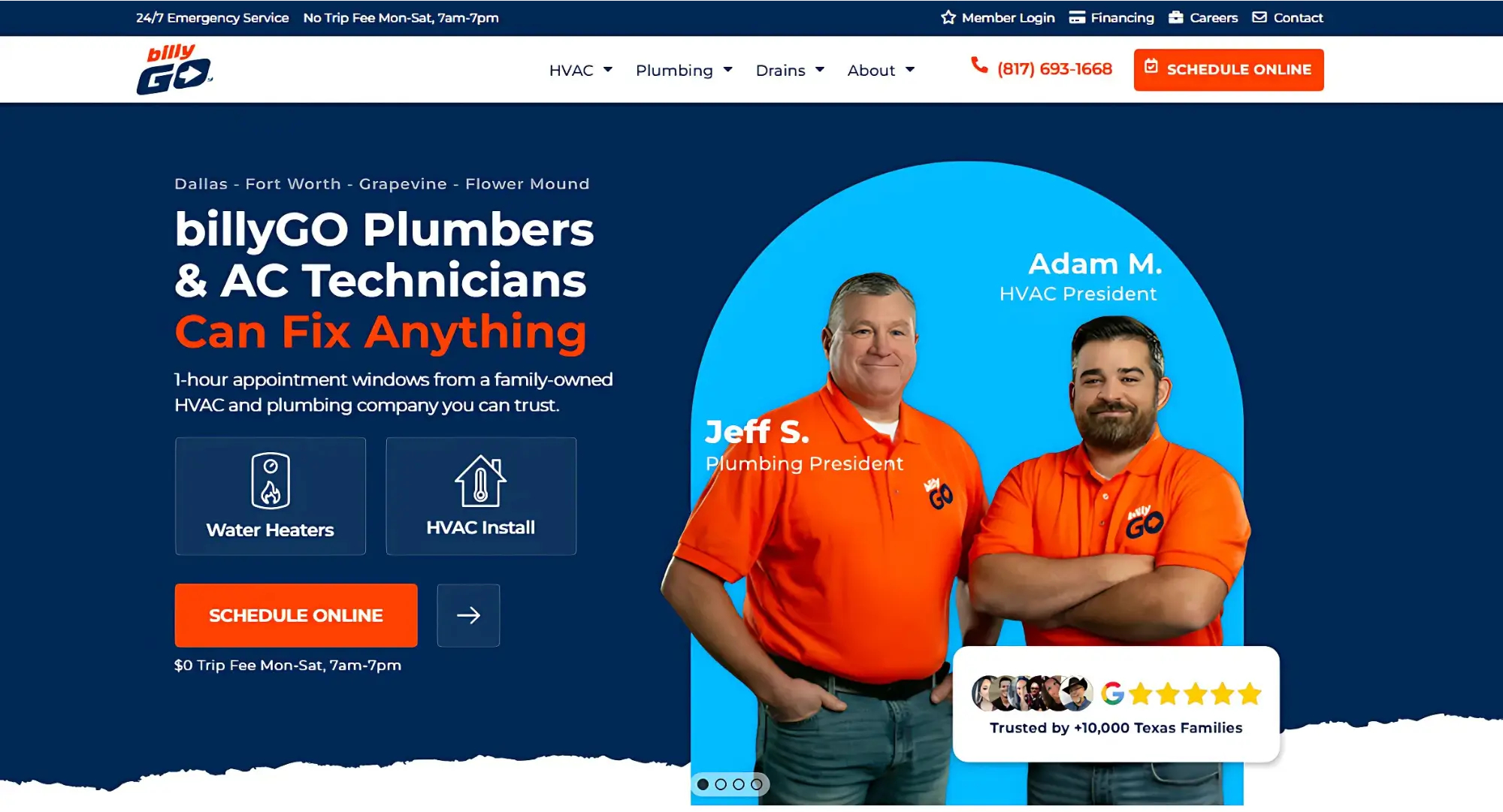
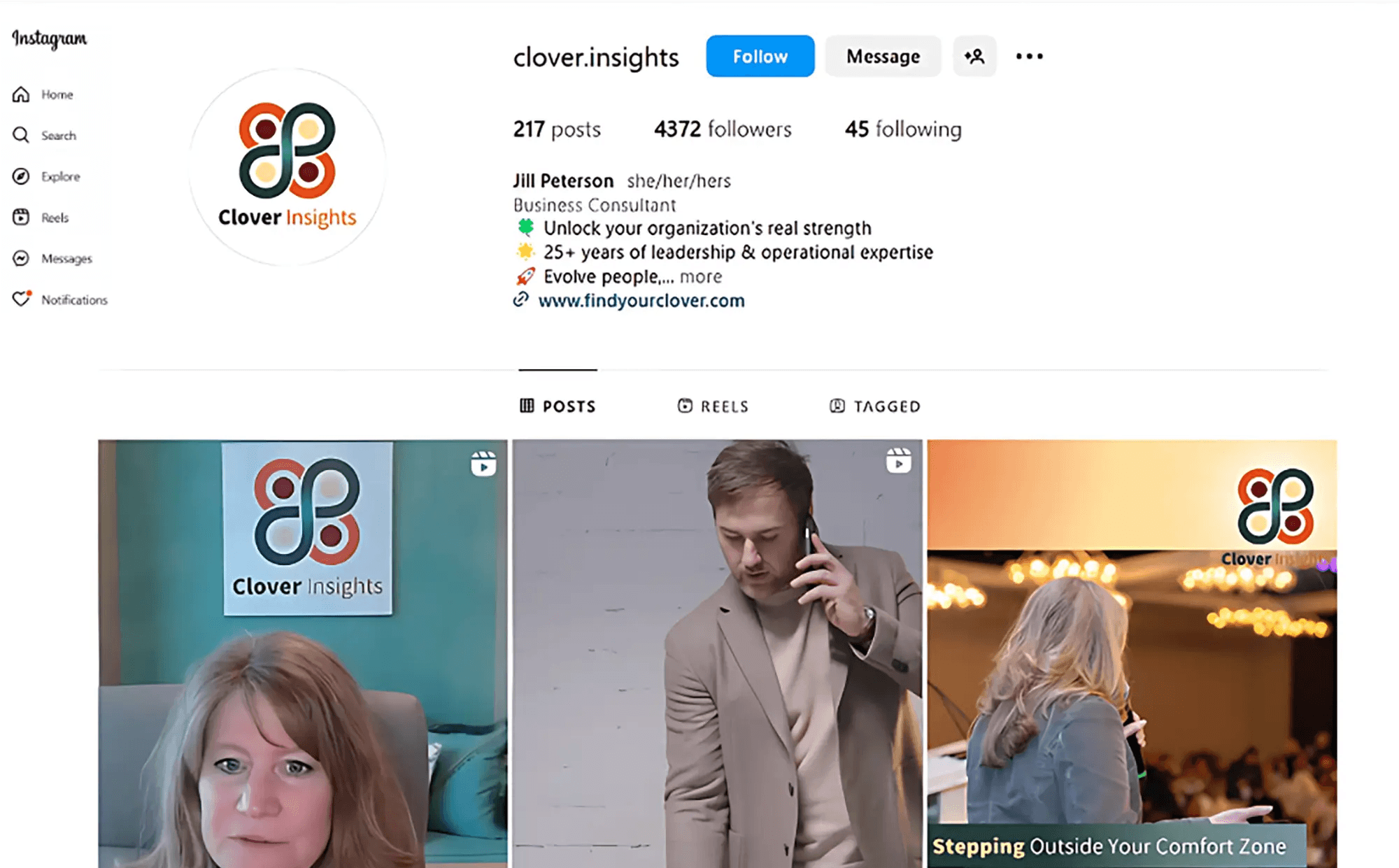


Protect and Elevate Your Brand Reputation Before It's Too Late
Protect and Elevate Your Brand Reputation Before It's Too Late







4.9/5 Ratings!

Rajeev G.
Rajeev G.
5 Min Read
5 Min
Oct 23, 2025
Oct 23, 2025
What is Online Reputation Management (ORM)?
Reputation management is how you watch, change, and keep your brand’s image good on the internet. The goal is not only to handle bad reviews. You also want to shape what people say about your business online. This means working to guide the talk about your company everywhere on the internet.
Think of ORM as a way to share your brand’s story first, before others talk about it.
Reputation management is how you watch, change, and keep your brand’s image good on the internet. The goal is not only to handle bad reviews. You also want to shape what people say about your business online. This means working to guide the talk about your company everywhere on the internet.
Think of ORM as a way to share your brand’s story first, before others talk about it.
Why Reputation Management Matters?
Your reputation can have a big effect on your sales, trust, and how much you grow. This is why:
98% of consumers read online reviews before they buy something.
80% of buyers trust online reviews as much as what someone they know tells them.
A 1-star increase in rating can make revenue go up by as much as 9%.
Your reputation can have a big effect on your sales, trust, and how much you grow. This is why:
98% of consumers read online reviews before they buy something.
80% of buyers trust online reviews as much as what someone they know tells them.
A 1-star increase in rating can make revenue go up by as much as 9%.
Beyond sales, ORM also impacts:
Beyond sales, ORM also impacts:
•
•
Customer trust and loyalty are important for the business. They help keep people coming back. When people trust your brand, they feel good and will choose it over others.
Customer trust and loyalty are important for the business. They help keep people coming back. When people trust your brand, they feel good and will choose it over others.
•
•
Recruiting new talent means bringing in new people to join and work with us. A good brand makes it easier to get smart and skilled people in the team.
Recruiting new talent means bringing in new people to join and work with us. A good brand makes it easier to get smart and skilled people in the team.
•
•
Business partnerships are made when two or more groups work together. A strong brand helps start these partnerships. It shows others that they can trust the brand.
Business partnerships are made when two or more groups work together. A strong brand helps start these partnerships. It shows others that they can trust the brand.
•
•
Brand value and long-term growth are key for the company. A strong brand can grow over time. It also helps bring in new customers and makes the company last for years.
Brand value and long-term growth are key for the company. A strong brand can grow over time. It also helps bring in new customers and makes the company last for years.
The Two Sides of Reputation Management
TAIL: Proactive Reputation Building
Make blog posts and videos that help people.
Ask happy customers to write reviews.
Fix search results so good content shows up first.
HEAD: Reactive Reputation Protection
Reacting fast when there are bad reviews
Handling PR problems in the open
This makes it hard to see the bad things. It also helps the good things show up more.
TAIL: Proactive Reputation Building
Make blog posts and videos that help people.
Ask happy customers to write reviews.
Fix search results so good content shows up first.
HEAD: Reactive Reputation Protection
Reacting fast when there are bad reviews
Handling PR problems in the open
This makes it hard to see the bad things. It also helps the good things show up more.
7 Key Steps to Manage Your Reputation
Step
Step
Step
Step
Description
Description
Description
Description
Monitor Online Presence
Monitor Online Presence
Monitor Online Presence
Keep track of mentions, reviews, and feedback across social media, review sites, and forums.
Keep track of mentions, reviews, and feedback across social media, review sites, and forums.
Keep track of mentions, reviews, and feedback across social media, review sites, and forums.
Respond Promptly
Respond Promptly
Respond Promptly
Address negative feedback and queries quickly to show accountability and care.
Address negative feedback and queries quickly to show accountability and care.
Address negative feedback and queries quickly to show accountability and care.
Promote Positives
Promote Positives
Promote Positives
Share achievements, testimonials, and positive stories to enhance your image.
Share achievements, testimonials, and positive stories to enhance your image.
Share achievements, testimonials, and positive stories to enhance your image.
Build Relationships
Build Relationships
Build Relationships
Engage with customers, influencers, and stakeholders to strengthen trust.
Engage with customers, influencers, and stakeholders to strengthen trust.
Engage with customers, influencers, and stakeholders to strengthen trust.
Optimize Content
Optimize Content
Optimize Content
Ensure all online content reflects your brand values and professionalism.
Ensure all online content reflects your brand values and professionalism.
Ensure all online content reflects your brand values and professionalism.
Handle Crises Strategically
Handle Crises Strategically
Handle Crises Strategically
Prepare a plan to manage potential reputation threats effectively.
Prepare a plan to manage potential reputation threats effectively.
Prepare a plan to manage potential reputation threats effectively.
Continuous Improvement
Continuous Improvement
Continuous Improvement
Regularly assess feedback and make changes to maintain credibility and trust.
Regularly assess feedback and make changes to maintain credibility and trust.
Regularly assess feedback and make changes to maintain credibility and trust.
Common Mistakes to Avoid
❌ Responding in a way that you feel you have to defend yourself
❌ Putting up made-up reviews
❌ Your business does not stay steady online
❌ Responding in a way that you feel you have to defend yourself
❌ Putting up made-up reviews
❌ Your business does not stay steady online
Long-Term Reputation Building
Managing your reputation takes time. It is not something you fix fast. You have to keep working on it all the time. A business that is good at ORM:
Always give good work, every time.
Stay real and let people see how things are.
Take in feedback so you and the team can get better.
Put time and work into making people trust us.
Managing your reputation takes time. It is not something you fix fast. You have to keep working on it all the time. A business that is good at ORM:
Always give good work, every time.
Stay real and let people see how things are.
Take in feedback so you and the team can get better.
Put time and work into making people trust us.
Final Thoughts
Your name online is one of the most important things for your business. Every time you reply to a review, write a blog post, or send a tweet, you help shape what people think about your brand.
Begin with simple steps. Watch your reviews, talk with your audience, and make good content. Over time, these steps come together to help build a name that brings growth, keeps people coming back, and leads to long-term gains.
Always keep in mind: your reputation grows with every time you talk to people. Make every meeting matter.
Your name online is one of the most important things for your business. Every time you reply to a review, write a blog post, or send a tweet, you help shape what people think about your brand.
Begin with simple steps. Watch your reviews, talk with your audience, and make good content. Over time, these steps come together to help build a name that brings growth, keeps people coming back, and leads to long-term gains.
Always keep in mind: your reputation grows with every time you talk to people. Make every meeting matter.
Frequently Asked Questions (FAQs)
Frequently Asked Questions
How does ORM impact sales and revenue?

Your online reputation directly affects purchasing decisions. For example, a single 1-star increase in your average rating can boost revenue by up to 9%. Positive reviews, testimonials, and mentions also increase conversion rates, as customers feel more confident buying from trusted brands.
Can ORM improve SEO performance?
You should expect a structured process that includes onboarding, goal setting, strategy development, regular communication, execution of campaigns, and performance reporting. A good agency will act as a partner collaborating with you to understand your business, crafting a custom plan, and keeping you informed about progress and results.
What’s the difference between proactive and reactive reputation management?
Vanity metrics are data points that look impressive but don’t directly impact your bottom line, such as social media likes, page views, or email open rates. While they can indicate visibility, they’re not strong indicators of business success. What’s more important are actionable metrics like lead quality, conversion rate, and return on investment (ROI). Looking for more details? Contact us today before your competitors do.
How long does it take to improve an online reputation?
High traffic without conversions often points to deeper issues such as: Poor targeting (the wrong audience is visiting), weak calls-to-action or unclear messaging, website usability issues or slow load times, lack of trust signals (like reviews or security).
Your marketing should not just drive visits; it should drive the right visitors and guide them to act.
How often should businesses update their ORM strategy?
You’ll know it’s working when you see measurable progress toward your business goals, more qualified leads, better engagement, increased sales, or stronger ROI. Regular reports, clear KPIs, and consistent communication from your agency are key to evaluating success.
How do emerging technologies like AI and ML enhance ORM?
Organic marketing (like SEO, blogging, and social media engagement) often takes 3 to 6 months to start showing results and may take 6–12 months for significant impact. It builds trust and authority over time, and while slower than paid marketing, it often yields more sustainable growth.
How does SEO support online reputation management?
A good marketing report should cover: Key performance indicators (KPIs) tied to your goals, traffic and conversion data, campaign performance summaries, ROI or cost-per-lead/acquisition, insights and recommendations for improvement, clear next steps or action items.
It should be easy to understand, jargon-free, and focus on outcomes. Learn more—how we drive revenue?
How does ORM impact sales and revenue?
Your online reputation directly affects purchasing decisions. For example, a single 1-star increase in your average rating can boost revenue by up to 9%. Positive reviews, testimonials, and mentions also increase conversion rates, as customers feel more confident buying from trusted brands.
Can ORM improve SEO performance?
You should expect a structured process that includes onboarding, goal setting, strategy development, regular communication, execution of campaigns, and performance reporting. A good agency will act as a partner collaborating with you to understand your business, crafting a custom plan, and keeping you informed about progress and results.
What’s the difference between proactive and reactive reputation management?
Vanity metrics are data points that look impressive but don’t directly impact your bottom line, such as social media likes, page views, or email open rates. While they can indicate visibility, they’re not strong indicators of business success. What’s more important are actionable metrics like lead quality, conversion rate, and return on investment (ROI). Looking for more details? Contact us today before your competitors do.
How long does it take to improve an online reputation?
High traffic without conversions often points to deeper issues such as: Poor targeting (the wrong audience is visiting), weak calls-to-action or unclear messaging, website usability issues or slow load times, lack of trust signals (like reviews or security).
Your marketing should not just drive visits; it should drive the right visitors and guide them to act.
How often should businesses update their ORM strategy?
You’ll know it’s working when you see measurable progress toward your business goals, more qualified leads, better engagement, increased sales, or stronger ROI. Regular reports, clear KPIs, and consistent communication from your agency are key to evaluating success.
How do emerging technologies like AI and ML enhance ORM?
Organic marketing (like SEO, blogging, and social media engagement) often takes 3 to 6 months to start showing results and may take 6–12 months for significant impact. It builds trust and authority over time, and while slower than paid marketing, it often yields more sustainable growth.
How does SEO support online reputation management?
A good marketing report should cover: Key performance indicators (KPIs) tied to your goals, traffic and conversion data, campaign performance summaries, ROI or cost-per-lead/acquisition, insights and recommendations for improvement, clear next steps or action items.
It should be easy to understand, jargon-free, and focus on outcomes. Learn more—how we drive revenue?
Protect and Elevate Your Brand Reputation Before It's Too Late
Protect and Elevate Your Brand Reputation Before It's Too Late
Enhance your brand reputation to build credibility, attract customers, and drive loyalty.
Enhance your brand reputation to build credibility, attract customers, and drive loyalty.
4.9/5 Ratings!
4.9/5 Ratings!
Share this article

Related Resources
Latest Blogs




Don’t miss our revenue growth tips!
Don’t miss our revenue growth tips!
Get expert marketing tips—straight to your inbox, like thousands of happy clients.
Get expert marketing tips—straight to your inbox, like thousands of happy clients.
Latest Blogs


















Ready to speak with an expert?
Data-Driven Marketing Agency That Elevates ROI
1100+
Websites Designed & Optimized to Convert
$280M+
Client Revenue Driven & Growing Strong
Discover how to skyrocket
your revenue today!


Trusted by 1000+ Owners!
Ready to speak with an expert?
Data-Driven Marketing Agency That Elevates ROI
1100+
Websites Designed & Optimized to Convert
$280M+
Client Revenue Driven & Growing Strong
Discover how to skyrocket
your revenue today!
Trusted by 1000+ Owners!
Want to skyrocket revenue?
4.9/5 Ratings!
Ready to speak with an expert?
Data-Driven Marketing Agency That Elevates ROI
1100+
Websites Designed & Optimized to Convert
$280M+
Client Revenue Driven & Growing Strong
Want to skyrocket
revenue?
Trusted by 1000+ Owners!
Call
Meet