The Secret of E-Commerce SEO: More Traffic and Sales
The Secret of E-Commerce SEO: More Traffic and Sales
E-Commerce SEO
E-Commerce SEO
E-Commerce SEO
E-Commerce SEO
E-commerce SEO optimizes online stores to rank higher in search results, boosting organic traffic and sales. It focuses on product and category pages, targeting users with high purchase intent.
E-commerce SEO optimizes online stores to rank higher in search results, boosting organic traffic and sales. It focuses on product and category pages, targeting users with high purchase intent.

Table of Content


E-commerce SEO Increases Product Visibility and Drives More Sales.
E-commerce SEO Increases Product Visibility & Drives More Sales.







4.9/5 Ratings!

Lucky S.
Lucky S.
6 Min Read
6 Min Read
OCT 14, 2025
OCT 14, 2025
What is E-Commerce SEO?
In our modern digital world, the e-commerce enterprises are fighting with thousands of online shops to get attention. Paid advertisements have the potential to generate traffic, but they are expensive and temporary. And that is where E-commerce SEO (Search Engine Optimization) comes to the rescue. With the search engine optimization, you will earn qualified customers in an organic way, create credibility, and sell more without necessarily draining the coffers.
Why it’s Important?
SEO for e-commerce makes an online store easier for search engines to find.
Some strategies are optimizing keywords, making content, doing technical SEO, and making the user experience better.
It brings in more visitors from search engines, raises search engine rankings, and boosts sales.
It offers long-term results and growth that lasts without costing a lot of money, unlike paid ads.
In our modern digital world, the e-commerce enterprises are fighting with thousands of online shops to get attention. Paid advertisements have the potential to generate traffic, but they are expensive and temporary. And that is where E-commerce SEO (Search Engine Optimization) comes to the rescue. With the search engine optimization, you will earn qualified customers in an organic way, create credibility, and sell more without necessarily draining the coffers.
Why it’s Important?
SEO for e-commerce makes an online store easier for search engines to find.
Some strategies are optimizing keywords, making content, doing technical SEO, and making the user experience better.
It brings in more visitors from search engines, raises search engine rankings, and boosts sales.
It offers long-term results and growth that lasts without costing a lot of money, unlike paid ads.
Key Factors Affecting E-Commerce SEO
Factors
Factors
Factors
Factors
Description
Description
Description
Description
Product Page Optimization
Product Page Optimization
Product Page Optimization
Clear titles, descriptions, and images to improve rankings and user experience.
Clear titles, descriptions, and images to improve rankings and user experience.
Clear titles, descriptions, and images to improve rankings and user experience.
Site Structure & Navigation
Site Structure & Navigation
Site Structure & Navigation
Easy-to-follow structure helps search engines and users find products quickly.
Easy-to-follow structure helps search engines and users find products quickly.
Easy-to-follow structure helps search engines and users find products quickly.
Mobile-Friendliness
Mobile-Friendliness
Mobile-Friendliness
Ensures a seamless shopping experience on mobile devices.
Ensures a seamless shopping experience on mobile devices.
Ensures a seamless shopping experience on mobile devices.
Page Speed
Page Speed
Page Speed
Faster pages reduce bounce rates and improve search rankings.
Faster pages reduce bounce rates and improve search rankings.
Faster pages reduce bounce rates and improve search rankings.
Keyword Strategy
Keyword Strategy
Keyword Strategy
Targeting high-intent product and category keywords for better visibility.
Targeting high-intent product and category keywords for better visibility.
Targeting high-intent product and category keywords for better visibility.
Backlinks & Authority
Backlinks & Authority
Backlinks & Authority
Quality backlinks boost site credibility and search performance.
Quality backlinks boost site credibility and search performance.
Quality backlinks boost site credibility and search performance.
User Reviews & Ratings
User Reviews & Ratings
User Reviews & Ratings
Enhances trust and can improve click-through rates in SERPs.
Enhances trust and can improve click-through rates in SERPs.
Enhances trust and can improve click-through rates in SERPs.
Technical SEO
Technical SEO
Technical SEO
Proper use of sitemaps, structured data, and fixing errors for better indexing.
Proper use of sitemaps, structured data, and fixing errors for better indexing.
Proper use of sitemaps, structured data, and fixing errors for better indexing.
These key factors work together to boost your e-commerce site’s visibility and drive more qualified traffic. Focusing on them helps improve rankings, user experience, and ultimately, sales.
These key factors work together to boost your e-commerce site’s visibility and drive more qualified traffic. Focusing on them helps improve rankings, user experience, and ultimately, sales.
How Do SEO for E-commerce and User Experience Work Together?
Search engines can find your site more easily with SEO.
UX keeps people interested and helps them move through the buying process smoothly.
Optimized product pages and fast loading times lower bounce rates and make people stay longer.
A smooth checkout process and easy-to-follow navigation make users happier, which helps SEO.
A site that is well-optimized for both SEO and UX will get more conversions and keep customers coming back.
Search engines can find your site more easily with SEO.
UX keeps people interested and helps them move through the buying process smoothly.
Optimized product pages and fast loading times lower bounce rates and make people stay longer.
A smooth checkout process and easy-to-follow navigation make users happier, which helps SEO.
A site that is well-optimized for both SEO and UX will get more conversions and keep customers coming back.
What are the Long-term Benefits?
What are the Long-term Benefits?
Long-Term Organic Traffic: SEO brings in steady traffic without the need to spend money on ads.
Better Search Rankings: Higher rankings make your site more visible and trustworthy.
More conversions: SEO can help you get more sales and keep customers interested if you do it right.
Brand Trust and Credibility: When your brand ranks higher in search engines, people are more likely to trust it.
Competitive Advantage: A site that is well-optimized does better in search results than its competitors, which leads to long-term growth.
Long-Term Organic Traffic: SEO brings in steady traffic without the need to spend money on ads.
Better Search Rankings: Higher rankings make your site more visible and trustworthy.
More conversions: SEO can help you get more sales and keep customers interested if you do it right.
Brand Trust and Credibility: When your brand ranks higher in search engines, people are more likely to trust it.
Competitive Advantage: A site that is well-optimized does better in search results than its competitors, which leads to long-term growth.
Why E-Commerce SEO Matters?
The Competition is high: With unlimited online shops, SEO will make your products reach the top above the others.
Economic Expansion: Organic placements generate long term returns without the need to spend constantly.
Improved User Interface: SEO friendly websites are easier to use and enhance customer satisfaction and conversion.
Trust & Credibility: The rankings indicate the reliability to the potential buyers
The Competition is high: With unlimited online shops, SEO will make your products reach the top above the others.
Economic Expansion: Organic placements generate long term returns without the need to spend constantly.
Improved User Interface: SEO friendly websites are easier to use and enhance customer satisfaction and conversion.
Trust & Credibility: The rankings indicate the reliability to the potential buyers
Important Aspects of E-Commerce SEO
1. Product and Category Keyword research
Target transactional keywords (e.g., "Buy running shoes online") in order to target ready-to-purchase customers.
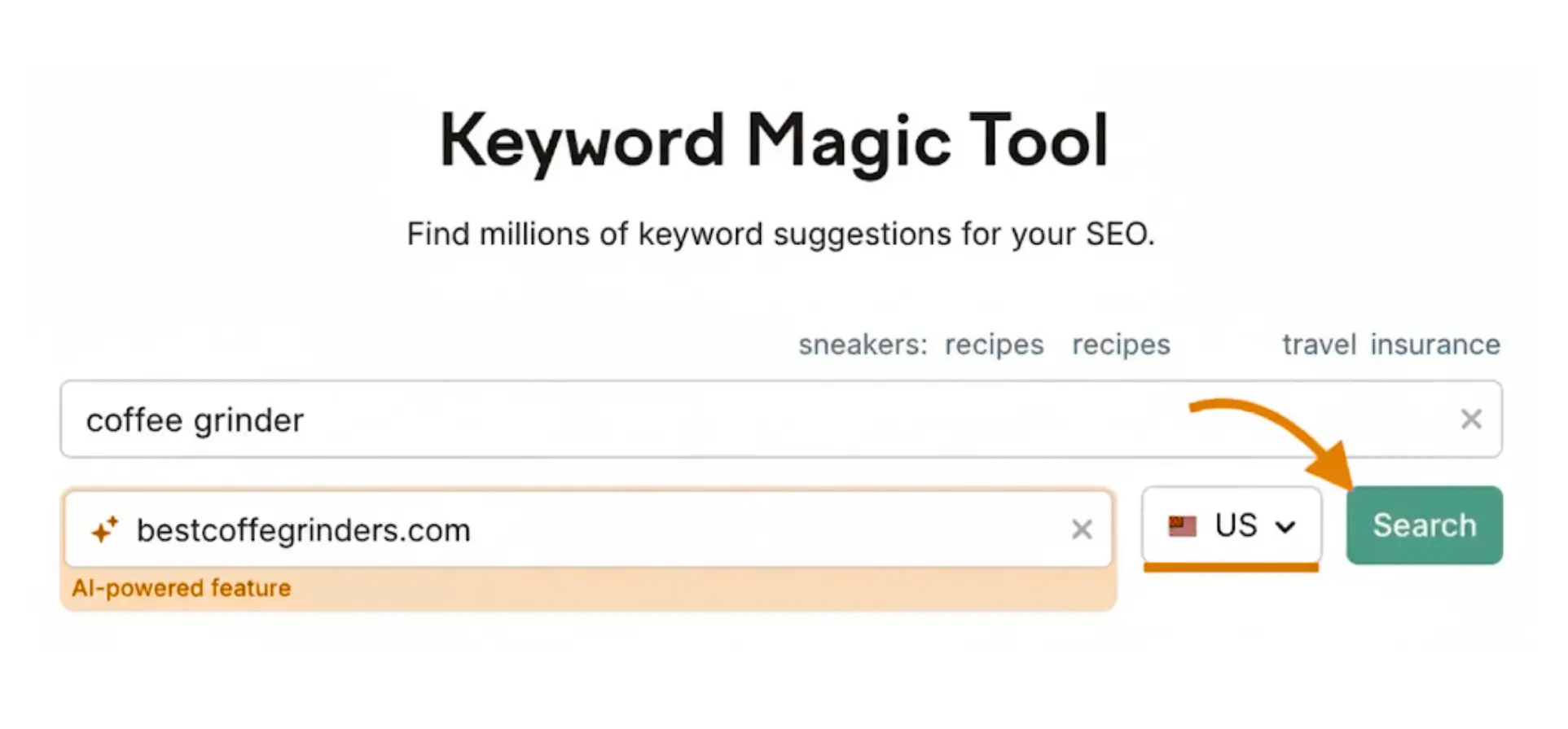
Attack niche buyers with long-tail keywords (e.g. best wireless headphones under 100 dollars).
Competitor research & Keyword optimization of both product descriptions and category pages.
1. Product and Category Keyword research
Target transactional keywords (e.g., "Buy running shoes online") in order to target ready-to-purchase customers.
Attack niche buyers with long-tail keywords (e.g. best wireless headphones under 100 dollars).
Competitor research & Keyword optimization of both product descriptions and category pages.
2. Optimized Product Pages
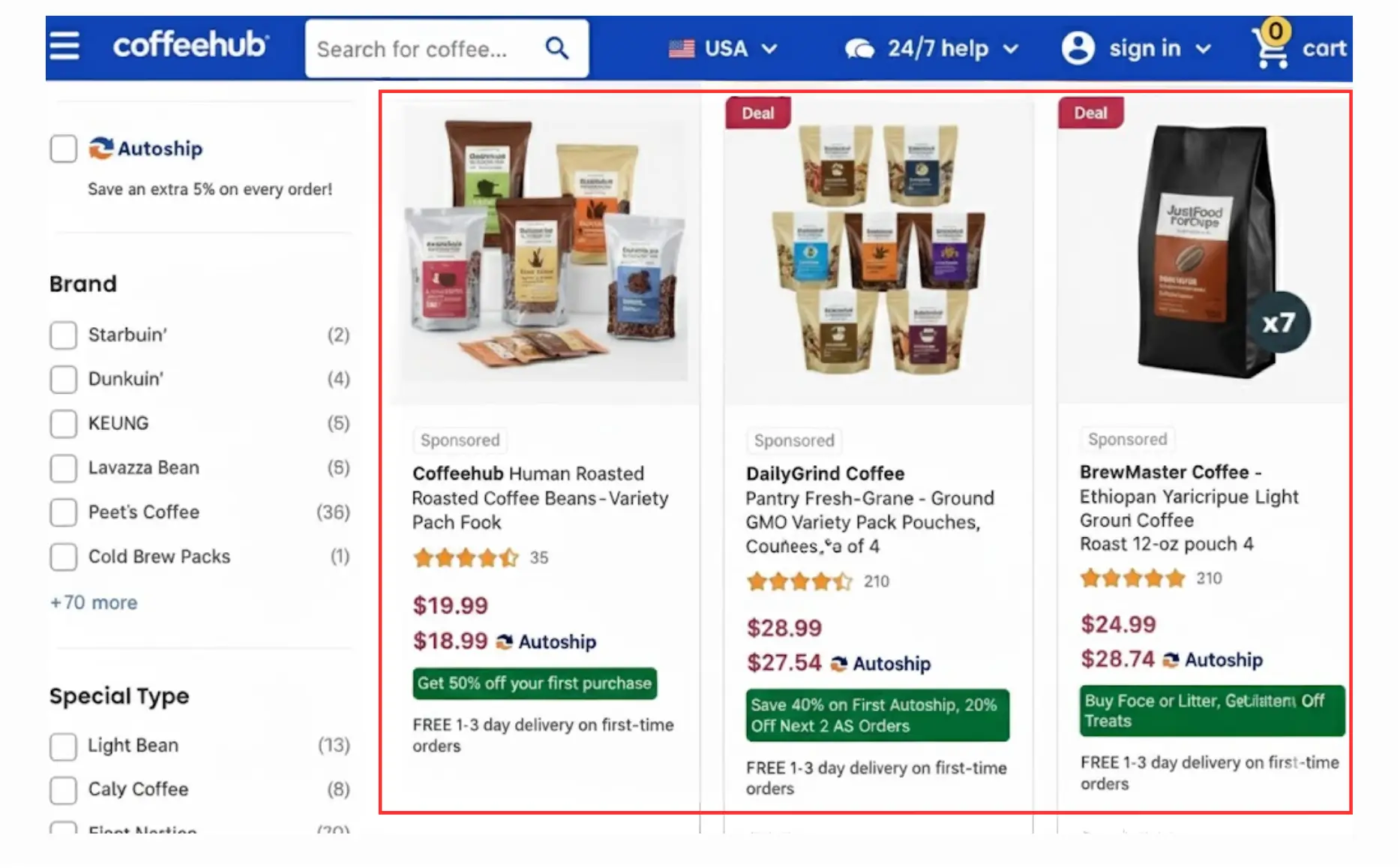
The product pages are supposed to be landing pages. Focus on: Uniqueness and key-wordy product names.
Interesting descriptions that bring out the features and advantages.
Good photos and videos that have the correct alt text.
Proper CTAs (e.g., "Add to Cart").
3. Online Store Technical SEO
Speed of the site: Rapid pages lower the bounce rates and increase the rankings.
Mobile Optimization: Many shoppers shop and make purchases through mobile phones.
Secure Checkout (HTTPS): Establishes trust and increases the visibility of the search.
Crawl: Make sure search engines have an easy time indexing products and categories.
2. Optimized Product Pages
The product pages are supposed to be landing pages. Focus on: Uniqueness and key-wordy product names.
Interesting descriptions that bring out the features and advantages.
Good photos and videos that have the correct alt text.
Proper CTAs (e.g., "Add to Cart").
3. Online Store Technical SEO
Speed of the site: Rapid pages lower the bounce rates and increase the rankings.
Mobile Optimization: Many shoppers shop and make purchases through mobile phones.
Secure Checkout (HTTPS): Establishes trust and increases the visibility of the search.
Crawl: Make sure search engines have an easy time indexing products and categories.
4. User Experience & Navigation
Smooth site architecture with sensible categories and filters.
Inter-linking of related products in order to upsell.
Very easy checkout procedure to minimize cart abandonment.
5. E-Commerce Content Marketing
Purchasing tutorials (e.g. How to Choose the Perfect Laptop Bag).
Blogs that respond to customer questions.
Seasonal trend posts (e.g., "Best Holiday Gift Ideas 2026).
Reviews and influence relationships.
Blogging on appropriate blogs.
Collaborations with online magazines or niche bloggers.
7. Local SEO of Stores that have brick-and-mortar locations
Enhance your Google My Business.
Cross-listing of NAP consistency (Name, Address, Phone Number).
Include geographical keywords such as, "Buy electronics in Houston".
4. User Experience & Navigation
Smooth site architecture with sensible categories and filters.
Inter-linking of related products in order to upsell.
Very easy checkout procedure to minimize cart abandonment.
5. E-Commerce Content Marketing
Purchasing tutorials (e.g. How to Choose the Perfect Laptop Bag).
Blogs that respond to customer questions.
Seasonal trend posts (e.g., "Best Holiday Gift Ideas 2026).
Reviews and influence relationships.
Blogging on appropriate blogs.
Collaborations with online magazines or niche bloggers.
7. Local SEO of Stores that have brick-and-mortar locations
Enhance your Google My Business.
Cross-listing of NAP consistency (Name, Address, Phone Number).
Include geographical keywords such as, "Buy electronics in Houston".
Common Mistakes to Avoid
Common Mistakes to Avoid
Copied product description.
Thin pages with not much or no content.
Neglecting technical SEO solutions such as dead links or absent Meta tags.
Using too many keywords as opposed to writing.
Copied product description.
Thin pages with not much or no content.
Neglecting technical SEO solutions such as dead links or absent Meta tags.
Using too many keywords as opposed to writing.
Final Thoughts
It is not merely e-commerce SEO, but a smooth shopping process that will make people come and be interested and turn them into buyers. Keyword research through technical fixes and content marketing makes all the parts collaborate to enable your store to be found and reliable.
It is not merely e-commerce SEO, but a smooth shopping process that will make people come and be interested and turn them into buyers. Keyword research through technical fixes and content marketing makes all the parts collaborate to enable your store to be found and reliable.
Frequently Asked Questions (FAQs)
Frequently Asked Questions
How does AI search (like Google SGE) affect e-commerce SEO?

AI-enhanced search gives users direct answers from multiple sources. To rank well, content must be extremely clear, structured, and specific.
High-quality schema and expert-level explanations perform better. Stores that offer rich product details and reviews will stand out in AI search results.
What is content pruning, and why is it useful for e-commerce?
You should expect a structured process that includes onboarding, goal setting, strategy development, regular communication, execution of campaigns, and performance reporting. A good agency will act as a partner collaborating with you to understand your business, crafting a custom plan, and keeping you informed about progress and results.
How does mobile optimization impact e-commerce SEO?
Vanity metrics are data points that look impressive but don’t directly impact your bottom line, such as social media likes, page views, or email open rates. While they can indicate visibility, they’re not strong indicators of business success. What’s more important are actionable metrics like lead quality, conversion rate, and return on investment (ROI). Looking for more details? Contact us today before your competitors do.
How does site security beyond HTTPS impact SEO?
High traffic without conversions often points to deeper issues such as: Poor targeting (the wrong audience is visiting), weak calls-to-action or unclear messaging, website usability issues or slow load times, lack of trust signals (like reviews or security).
Your marketing should not just drive visits; it should drive the right visitors and guide them to act.
How does a clear site structure help improve SEO and sales?
You’ll know it’s working when you see measurable progress toward your business goals, more qualified leads, better engagement, increased sales, or stronger ROI. Regular reports, clear KPIs, and consistent communication from your agency are key to evaluating success.
How can internal linking improve SEO for online stores?
Organic marketing (like SEO, blogging, and social media engagement) often takes 3 to 6 months to start showing results and may take 6–12 months for significant impact. It builds trust and authority over time, and while slower than paid marketing, it often yields more sustainable growth.
How does SEO support long-term growth for an e-commerce business?
A good marketing report should cover: Key performance indicators (KPIs) tied to your goals, traffic and conversion data, campaign performance summaries, ROI or cost-per-lead/acquisition, insights and recommendations for improvement, clear next steps or action items.
It should be easy to understand, jargon-free, and focus on outcomes. Learn more—how we drive revenue?
How does AI search (like Google SGE) affect e-commerce SEO?
AI-enhanced search gives users direct answers from multiple sources. To rank well, content must be extremely clear, structured, and specific.
High-quality schema and expert-level explanations perform better. Stores that offer rich product details and reviews will stand out in AI search results.
What is content pruning, and why is it useful for e-commerce?
You should expect a structured process that includes onboarding, goal setting, strategy development, regular communication, execution of campaigns, and performance reporting. A good agency will act as a partner collaborating with you to understand your business, crafting a custom plan, and keeping you informed about progress and results.
How does mobile optimization impact e-commerce SEO?
Vanity metrics are data points that look impressive but don’t directly impact your bottom line, such as social media likes, page views, or email open rates. While they can indicate visibility, they’re not strong indicators of business success. What’s more important are actionable metrics like lead quality, conversion rate, and return on investment (ROI). Looking for more details? Contact us today before your competitors do.
How does site security beyond HTTPS impact SEO?
High traffic without conversions often points to deeper issues such as: Poor targeting (the wrong audience is visiting), weak calls-to-action or unclear messaging, website usability issues or slow load times, lack of trust signals (like reviews or security).
Your marketing should not just drive visits; it should drive the right visitors and guide them to act.
How does a clear site structure help improve SEO and sales?
You’ll know it’s working when you see measurable progress toward your business goals, more qualified leads, better engagement, increased sales, or stronger ROI. Regular reports, clear KPIs, and consistent communication from your agency are key to evaluating success.
How can internal linking improve SEO for online stores?
Organic marketing (like SEO, blogging, and social media engagement) often takes 3 to 6 months to start showing results and may take 6–12 months for significant impact. It builds trust and authority over time, and while slower than paid marketing, it often yields more sustainable growth.
How does SEO support long-term growth for an e-commerce business?
A good marketing report should cover: Key performance indicators (KPIs) tied to your goals, traffic and conversion data, campaign performance summaries, ROI or cost-per-lead/acquisition, insights and recommendations for improvement, clear next steps or action items.
It should be easy to understand, jargon-free, and focus on outcomes. Learn more—how we drive revenue?




E-commerce SEO Increases Product Visibility and Drives More Sales.
E-commerce SEO Increases Product Visibility and Drives More Sales.
Learn how optimizing product pages, site structure, and content helps attract more buyers and grow revenue.
Learn how optimizing product pages, site structure, and content helps attract more buyers and grow revenue.
4.9/5 Ratings!
4.9/5 Ratings!
Share this article

Related Resources






Don’t miss our revenue growth tips!
Don’t miss our revenue growth tips!
Get expert marketing tips—straight to your inbox, like thousands of happy clients.
Get expert marketing tips—straight to your inbox, like thousands of happy clients.














Ready to speak with an expert?
Data-Driven Marketing Agency That Elevates ROI
1100+
Websites Designed & Optimized to Convert
$280M+
Client Revenue Driven & Growing Strong
Discover how to skyrocket
your revenue today!


Trusted by 1000+ Owners!
Ready to speak with an expert?
Data-Driven Marketing Agency That Elevates ROI
1100+
Websites Designed & Optimized to Convert
$280M+
Client Revenue Driven & Growing Strong
Discover how to skyrocket
your revenue today!
Trusted by 1000+ Owners!
Want to skyrocket revenue?
4.9/5 Ratings!
Ready to speak with an expert?
Data-Driven Marketing Agency That Elevates ROI
1100+
Websites Designed & Optimized to Convert
$280M+
Client Revenue Driven & Growing Strong
Want to skyrocket
revenue?
Trusted by 1000+ Owners!
Call
Meet